
Creating Climate Resilience in the
Most Biodiverse Regions on Earth
STRATEGY & IMPACT
We are implementing scalable solutions to build resilience for biodiversity in the face of climate change.
There is no more enduring impact for the planet than building resilience for nature. Climate corridors mitigate the two most urgent challenges we face — climate change and biodiversity loss — by reconnecting fragmented landscapes so wildlife can move along elevational gradients in response to a warming climate. By restoring habitat connectivity now, we build a better world.
We build climate corridors by:
How We Build Climate Corridors
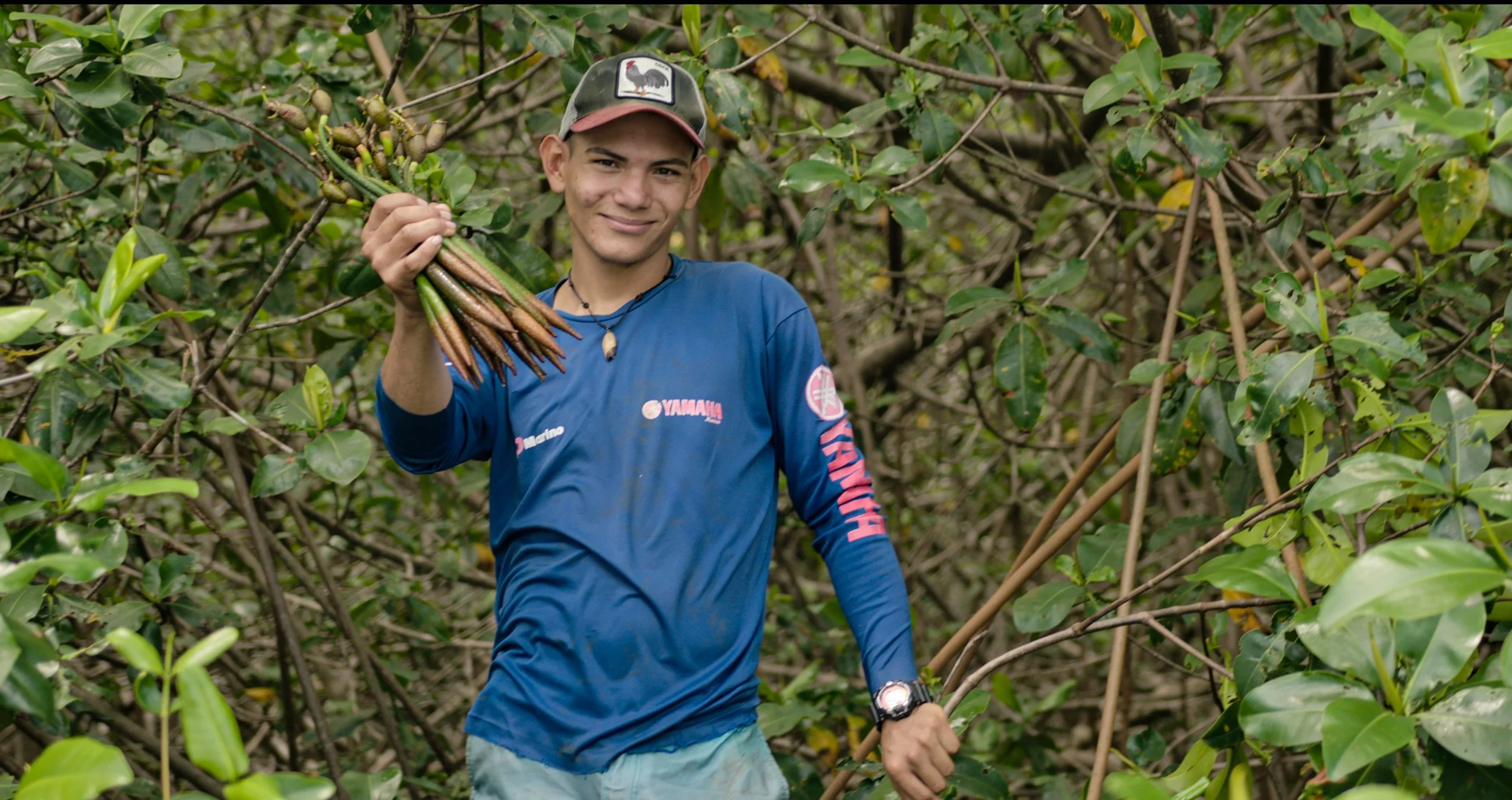
Planting rare, native, and endemic tree species at scale to reconnect fragmented habitats
Restoring riparian zones, agave corridors, and pollinator pathways across working landscapes
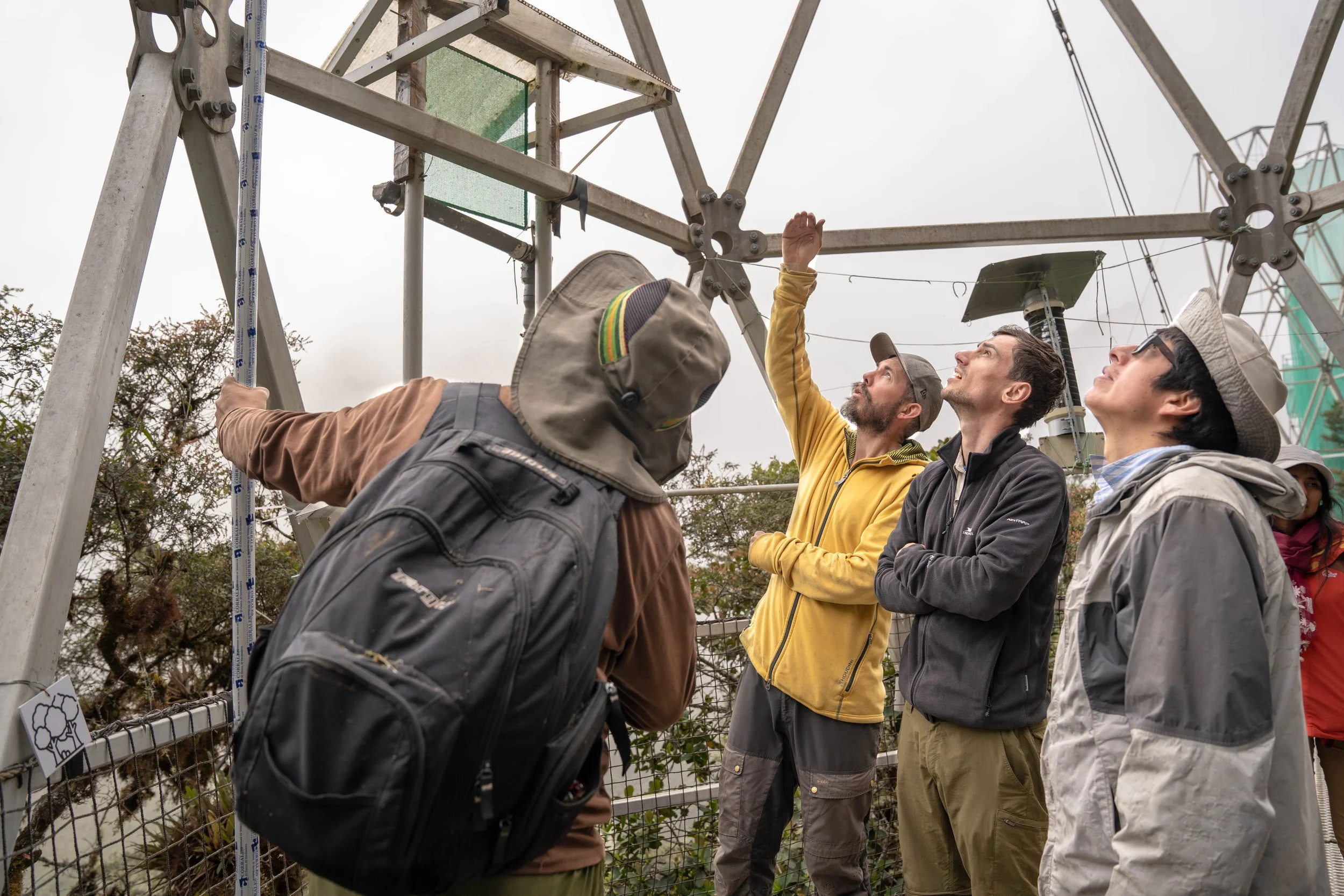
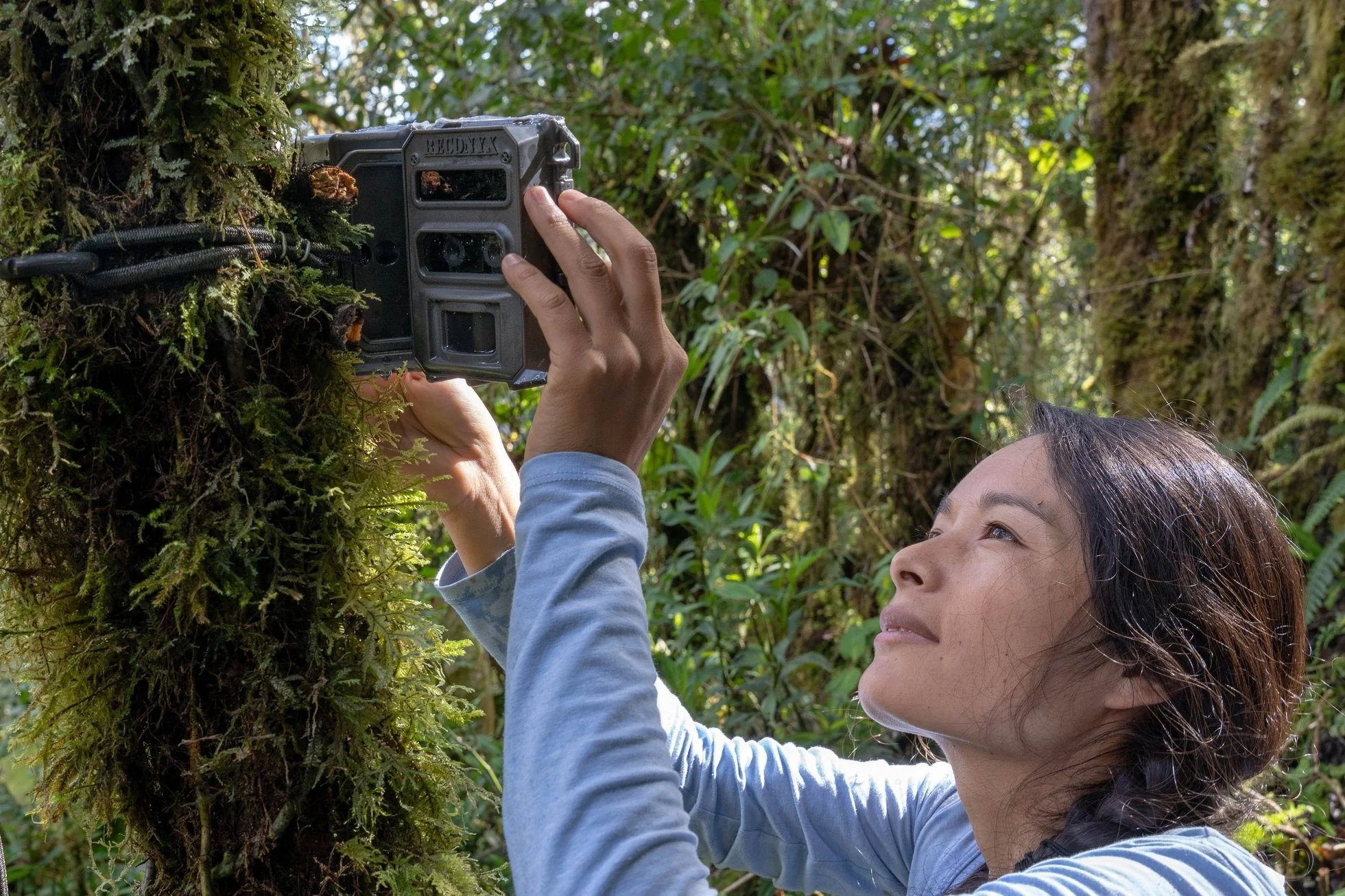
Monitoring wildlife movement and ecosystem indicators in real time
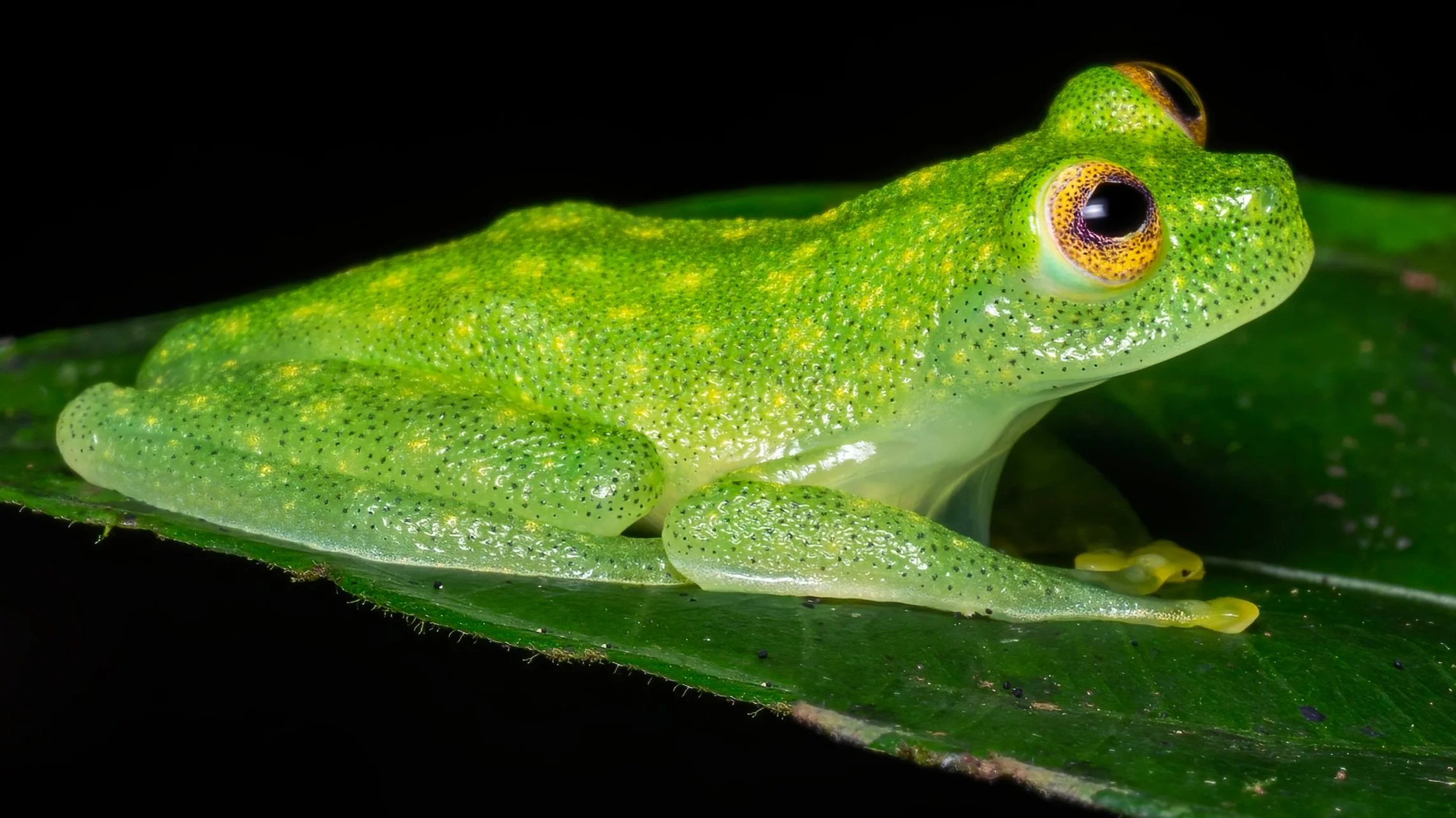
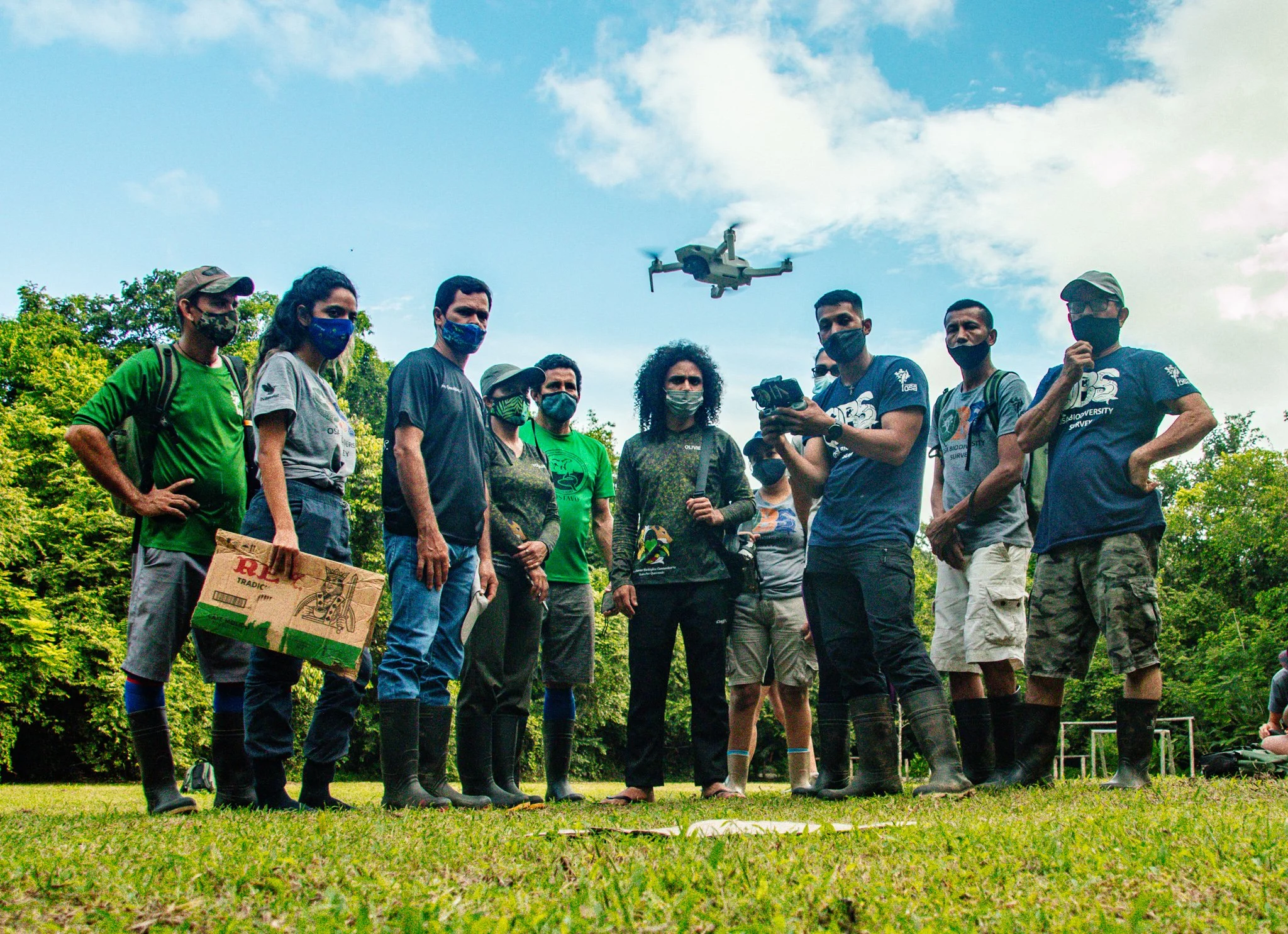
Deploying field expeditions and biodiversity genomics to accelerate species discovery
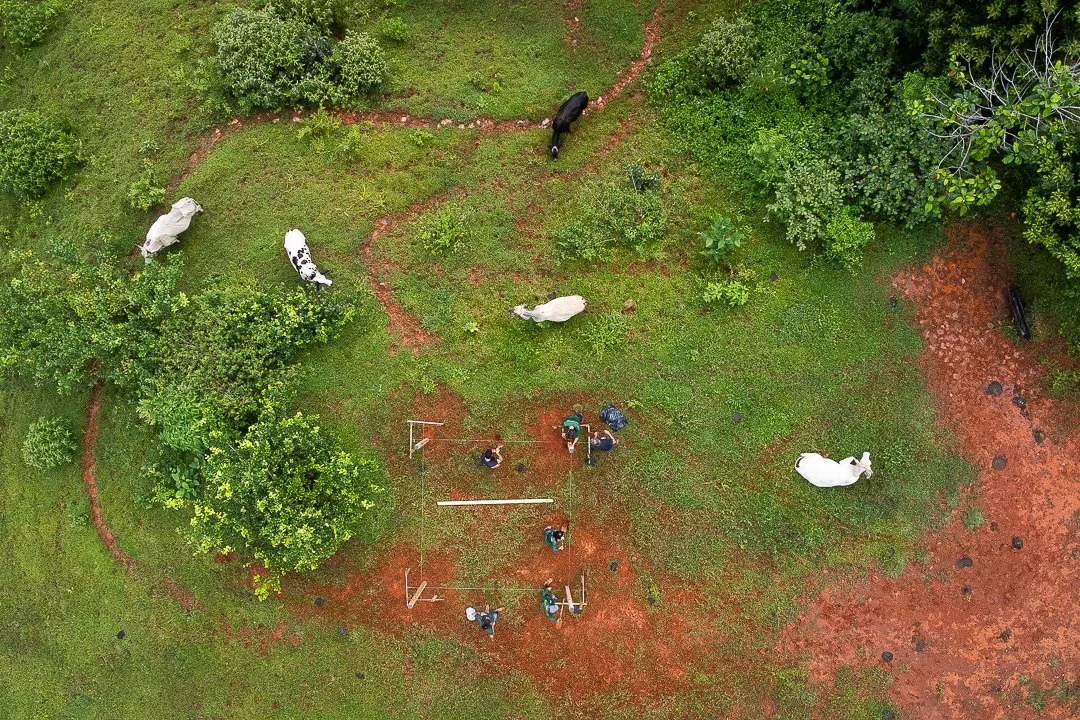
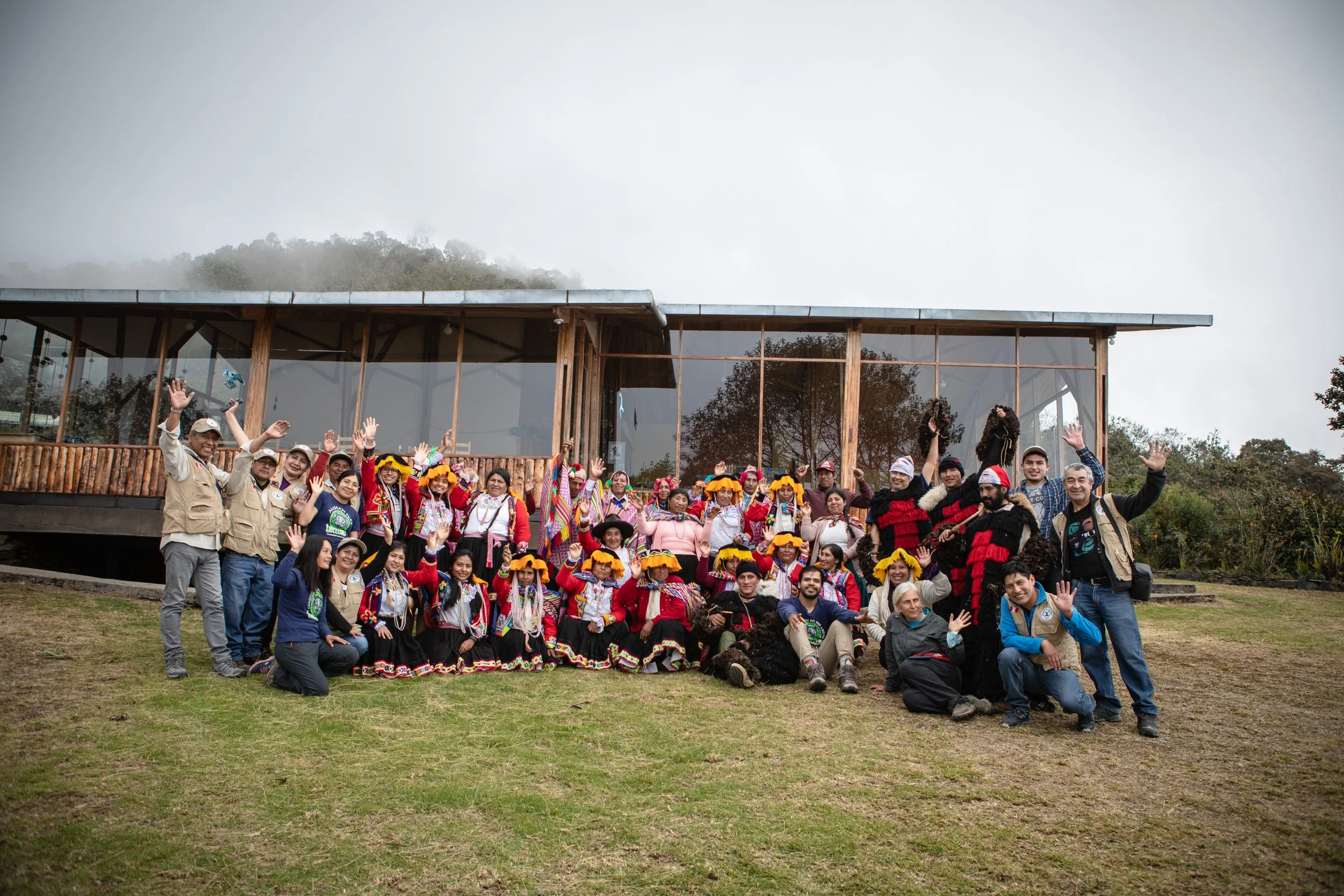
Partnering with private landowners, Indigenous communities, and working ranches whose lands buffer protected areas
Investing in the early-career field ecologists who will lead conservation science for decades to come
A global solution, the Climate Corridors initiative is an international model of climate adaptation to save biodiversity and build resilience for both people and nature in the face of climate change.
The Climate Corridors initiative is an international model of climate adaptation, spanning some of the world's most biodiverse landscapes.
Our Flagship Landscapes
AmistOsa Climate Corridor
Costa Rica
Peru - Manu Climate Corridor
Peru
-
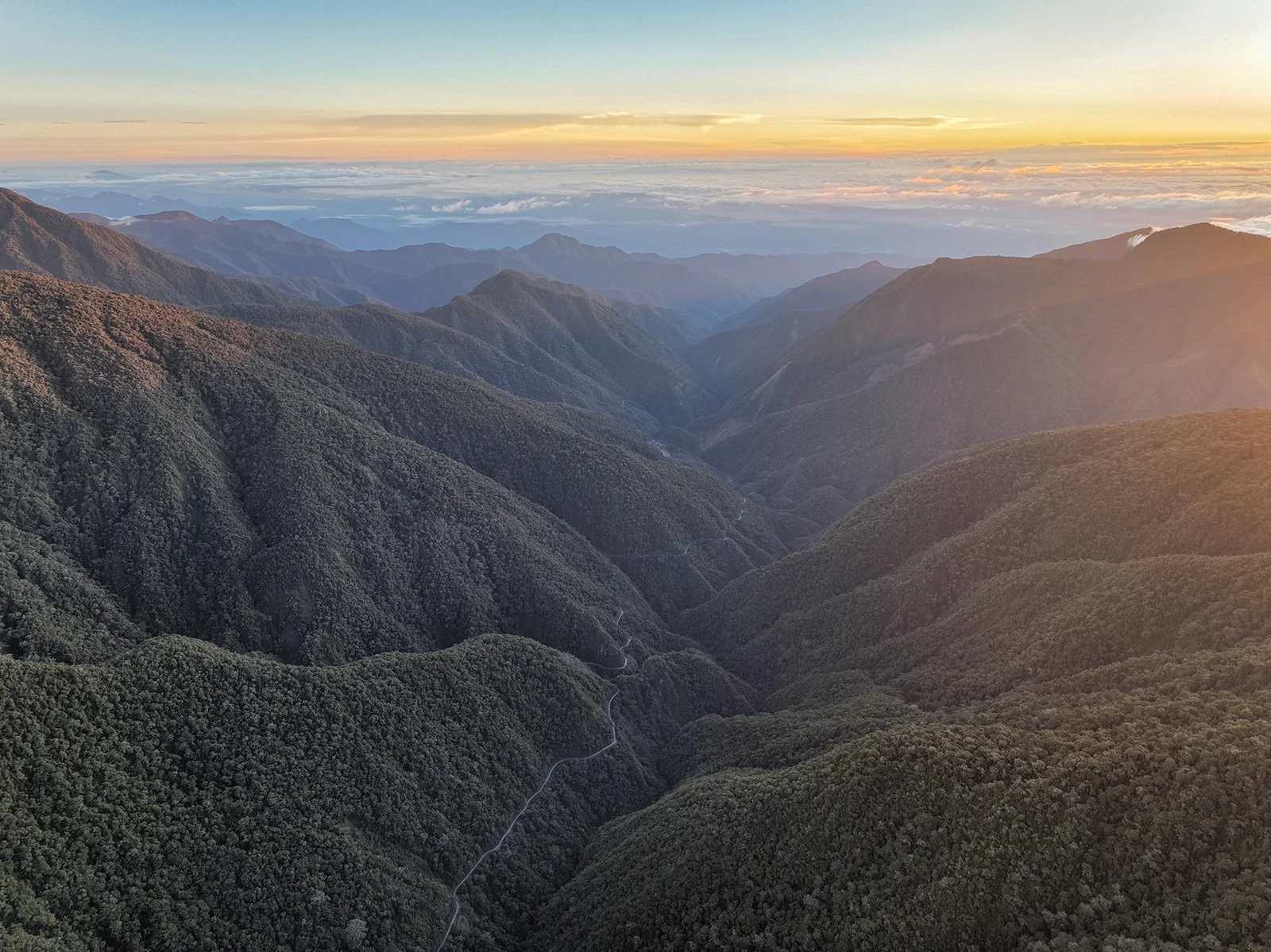
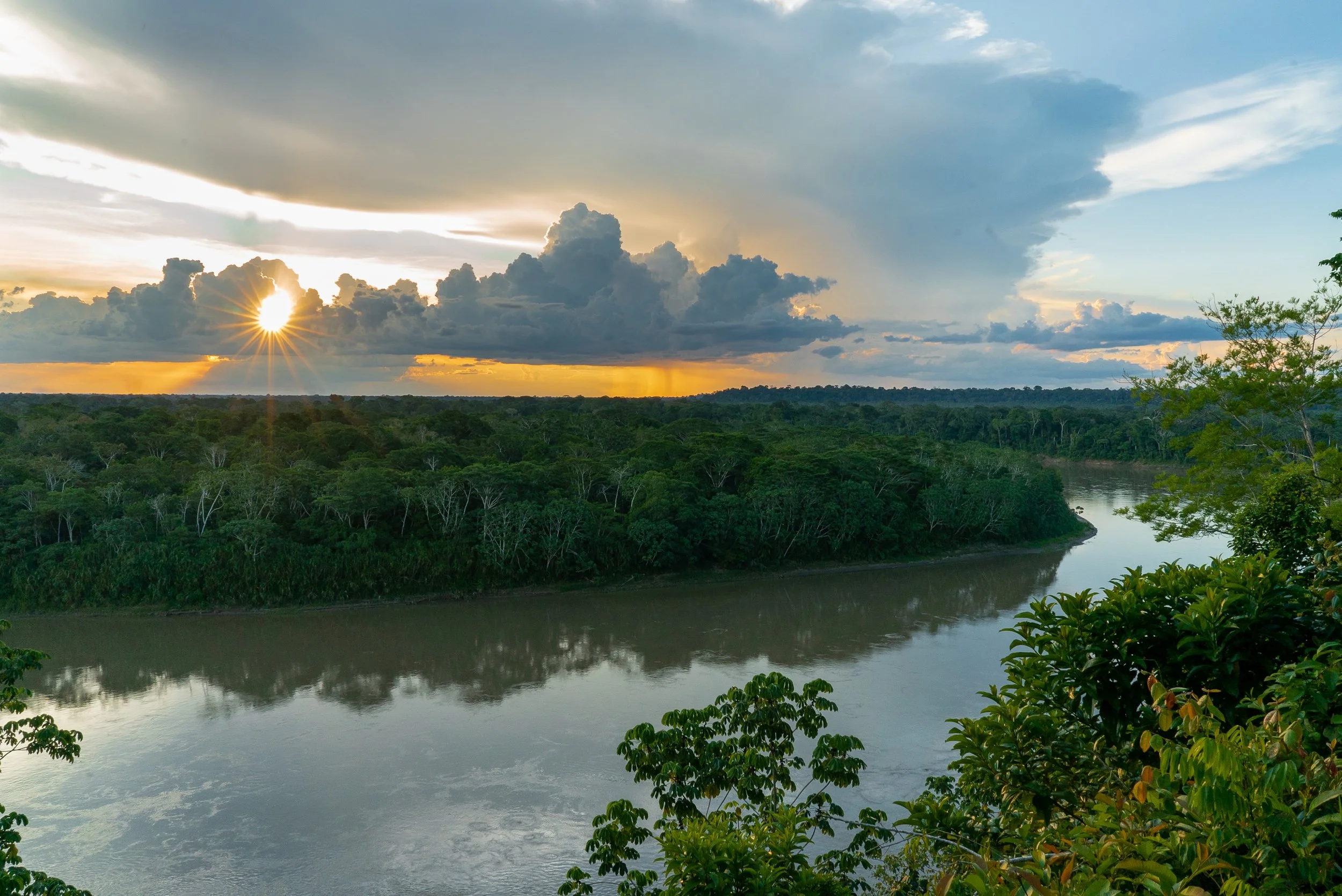
The Purus - Manu Climate Corridor spans the steepest elevational gradient in the Andes Amazon system, climbing nearly four kilometers from lowland rainforest, through cloud forest into the alpine paramo grasslands of the Andes.
This landscape forms the largest preserved section of the Peruvian Amazon and is the source of the region's four major freshwater rivers. In particular, the steep elevational gradient across Purus - Manu positions this landscape as an incredible opportunity to safeguard biodiversity en masse.
-
We collaborate with site-based partners and private landowners to drive change in the Sky Islands of the Americas Climate Corridor. Our work is based out of a network of working ranches and conservation easements that span the Madrean Archipelago — the chain of "sky islands" rising from the Sonoran and Chihuahuan deserts of the U.S.–Mexico borderlands. The first of its kind in the region, this network treats working lands as biodiversity lifeboats, supporting the long-term wildlife persistence and corridor connectivity that this globally significant landscape requires. Spanning an elevational gradient from roughly 3,000 to 10,700 feet across some 55 mountain ranges, our partner ranches are active centers of restoration and discovery, anchoring binational research, agave corridor planting, kit fox reintroduction, biodiversity monitoring, and the relationships with private landowners that make landscape-scale conservation possible. You can learn more about Wildlife in Motion, our implementing partner here.
-
-
The Purus - Manu Climate Corridor spans the steepest elevational gradient in the Andes Amazon system, climbing nearly four kilometers from lowland rainforest, through cloud forest into the alpine paramo grasslands of the Andes.
This landscape forms the largest preserved section of the Peruvian Amazon and is the source of the region's four major freshwater rivers. In particular, the steep elevational gradient across Purus - Manu positions this landscape as an incredible opportunity to safeguard biodiversity en masse.
-
We collaborate with site-based parters Conservación Amazónica - ACCA to drive change in the Purus - Manu corridor. Our work is based out of a network of three biological field stations that span the Andes Amazon landscape. The first of its kind in the region, this network allows us to explore and discover the outstanding biological and cultural diversity of this region. Spanning an altitudinal gradient from 820 to 11,500 feet along the eastern border of Manu National Park, our stations are active centers of learning and discovery, attracting researchers, university courses, volunteers, and visitors from around the world. You can learn more about the ACCA field sties here.
-

Climate Corridors' Pillars
1. Biota Discovery
2. Detect & Protect Wildlife
3. Resilient Landscapes
4. Grow the community of field biologists









Climate Corridors of Central America
Our research identified the 10 Climate Corridors of Central America with the most potential to maximize biodiversity survival long-term.
To stem biodiversity loss, conservation investments should prioritize the Climate Corridor strategy by restoring and rebuilding ecological connectivity along elevational gradients in biodiverse landscapes.

Solutions Meant to Scale
Whether you're a researcher, a landowner, or a funder — Climate Corridors works through partnership.