
Meet the Climate Corridors Team
We are taking action to build climate resilience for people and nature, together.
Climate Corridors is composed of a dedicated volunteer consortium, leveraging individual expertise to drive forward our mission with passion and commitment.
Jump to board, field partners, or collaborators & supporters.
-
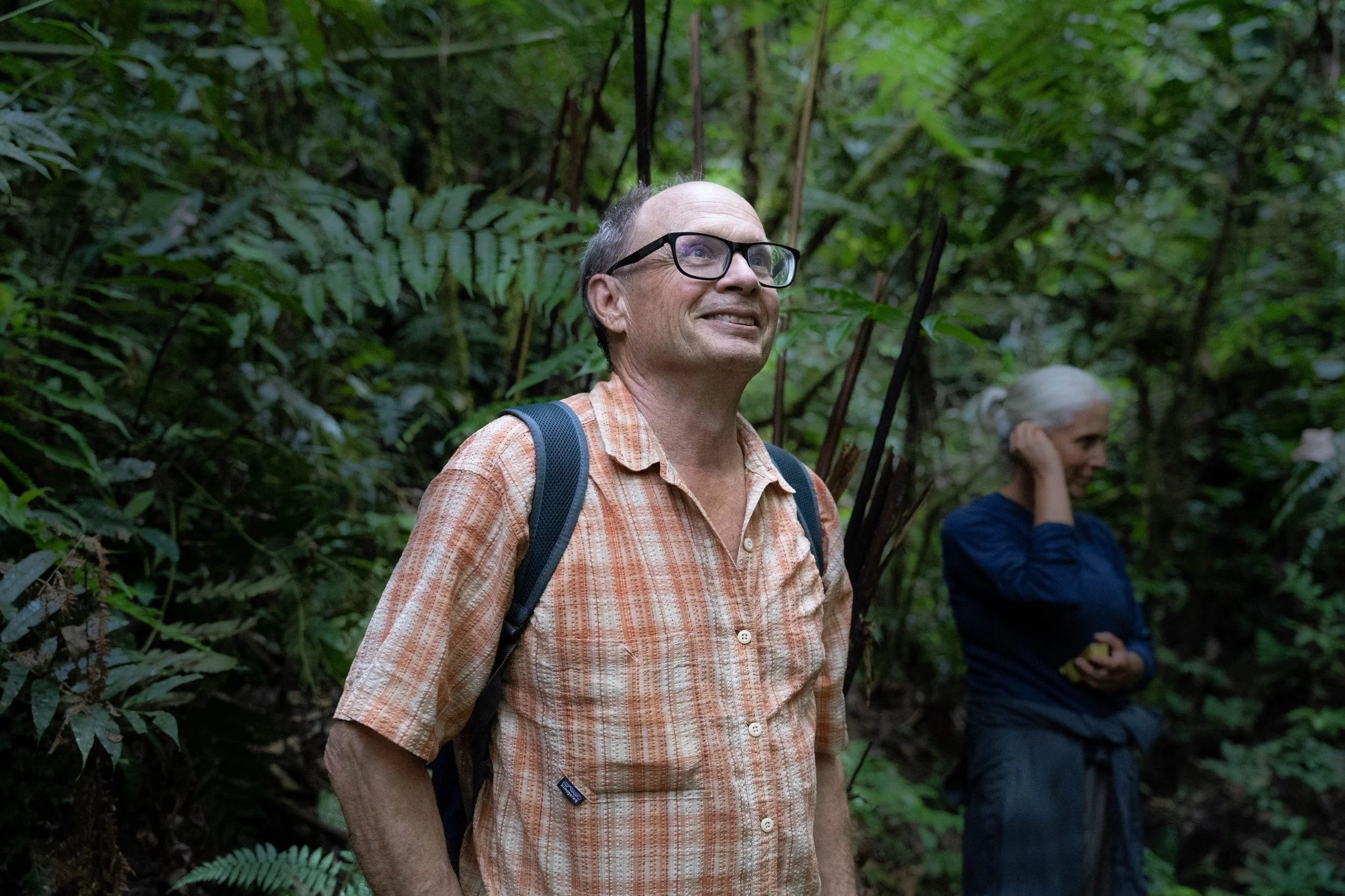
Dr. Adrian Forsyth is a tropical ecologist, conservationist, and one of North America's foremost natural history writers, with over 45 years of fieldwork across the world's tropics. He is the founder of Climate Corridors, the culmination of a career building conservation institutions across the Neotropics that also includes founding the Amazon Conservation Association, the Andes Amazon Fund, and co-founding the Andes-Amazon Initiative at the Gordon and Betty Moore Foundation. Through these organizations, Forsyth has helped protect more than 21 million hectares — over 53 million acres — of habitat across the Andes-Amazon biome, and has developed five biological field stations across the Amazon and Central America. Among them are Los Amigos, Manu, and Wayqecha in Peru — research hubs that together span the full elevational gradient from lowland rainforest to high-elevation cloud forest, opening some of the world's most remote and biodiverse landscapes to scientists, students, and conservationists.
Forsyth is the author of nine acclaimed natural history books, including Tropical Nature, Portraits of the Rainforest, and Journey Through a Tropical Jungle. In 2025, a Spanish edition of Tropical Nature (Naturaleza Tropical) was released in partnership with Conservación Amazónica–ACCA, bringing his classic introduction to Neotropical ecology to a new generation of Latin American conservationists.
His scientific work has focused on insect behavioral ecology, plant-animal interactions, and the use of dung beetles as bioindicators of tropical forest health — methodology papers he co-authored remain foundational to biodiversity monitoring across the Neotropics. He continues to publish actively; a 2026 study in Proceedings of the Royal Society B used dung beetle communities to document how temperature shapes diversity along the Andean-Amazon elevational gradient — research that directly reinforces the elevational corridor concept at the heart of Climate Corridors. Forsyth received his Ph.D. in tropical ecology from Harvard University under the renowned biologist E.O. Wilson.
-
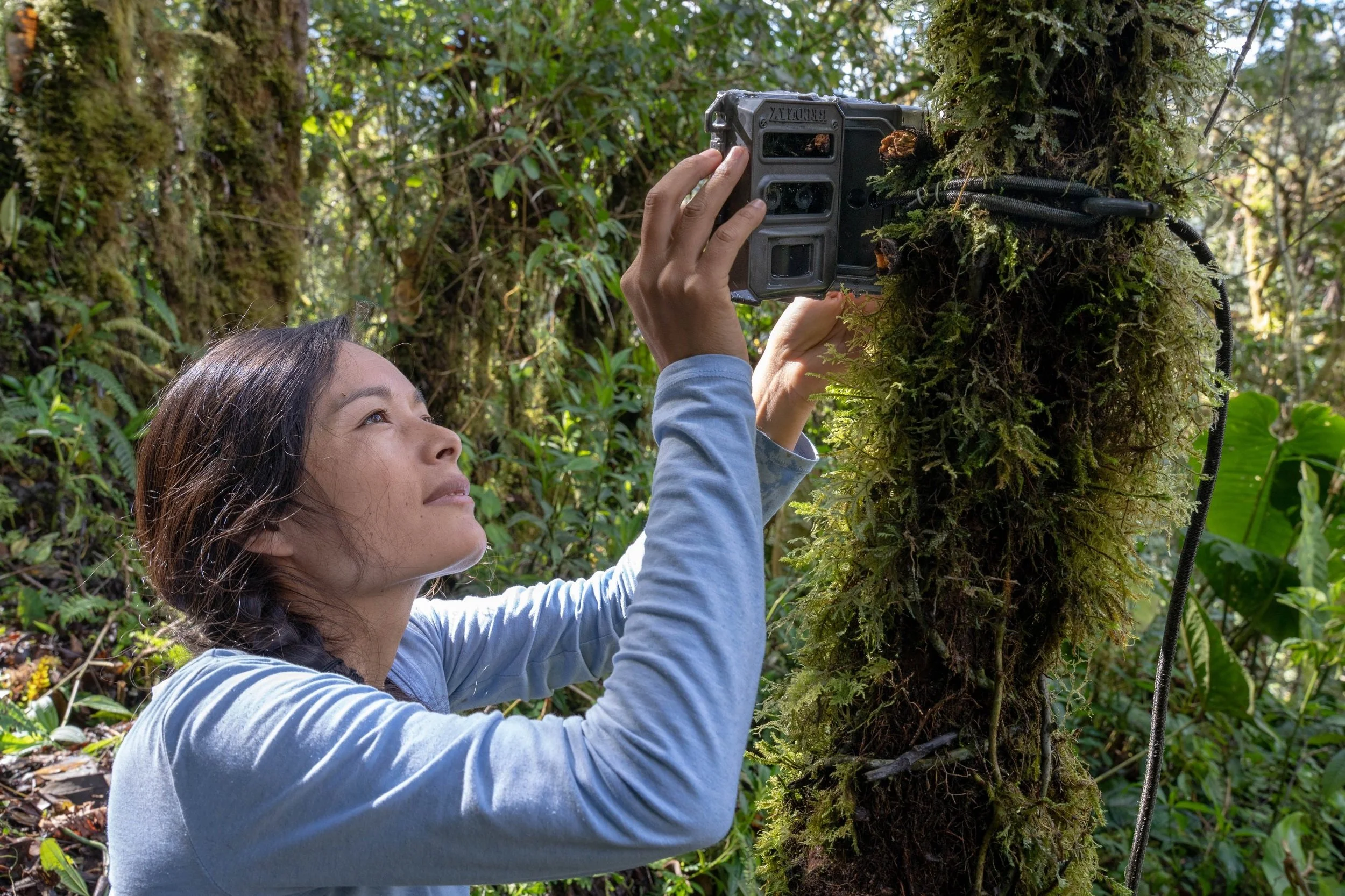
Ruthmery Pillco Huarcaya is a Peruvian wildlife ecologist, National Geographic Explorer, and 2025 recipient of the Future For Nature Award — one of the world's most prestigious honors for emerging conservationists. She is also a 2024 WINGS Fellow and an inaugural Boundless Conservation Collective Fellow. Born in a Quechua community near Cusco and the first in her family to attend university, she holds a master's degree in plant and fungi taxonomy, conservation, and biodiversity from Queen Mary University of London and Royal Botanic Gardens Kew.
As Andean Bear Project Coordinator at Conservación Amazónica–ACCA and leader of the Wayqecha Biological Station science team, Pillco Huarcaya runs one of the most ambitious Andean bear research programs in the world. In 2024, she was lead author of the first-ever camera-collar study of a wild Andean bear, published in Ecology and Evolution, documenting behaviors never before recorded for the species. Her botany background also shapes her conservation work — she has published on Vanilla orchid ecology and leads cloud-forest reforestation efforts that have planted over 400,000 native trees in the Andean highlands. Much of her fieldwork is done alongside her conservation dog Ukuku, a rescue trained to detect bear scat.
In 2023, she founded Peruvian Wildlife Conservation, an NGO dedicated to safeguarding Andean ecosystems. Her current work, supported by the Future For Nature Award, extends to the dwarf deer (Mazama chunyi), a little-known and vulnerable cloud forest species.

-
Hannah Stutzman, Executive Director, is an experienced non-profit executive and conservation professional with more than 15 years of experience. Hannah previously served as Executive Director and, prior to that, Director of Programs for Amazon Conservation Association (ACA). Hannah led multi-cultural and multi-disciplinary teams and built partnerships to develop and fund landscape conservation strategies across ACA’s three-country alliance (U.S., Peru and Bolivia), including the launch and growth of the now widely-referenced near real-time deforestation monitoring program known as MAAP (Monitoring of the Andes Amazon Program). Hannah serves as Board Chair of the nonprofit Equitable Origin and is a Senior Fellow with the Wake Forest University Sabin Family Center for the Environment. Hannah holds a Master's of Environmental Management from the Yale School of the Environment.
-
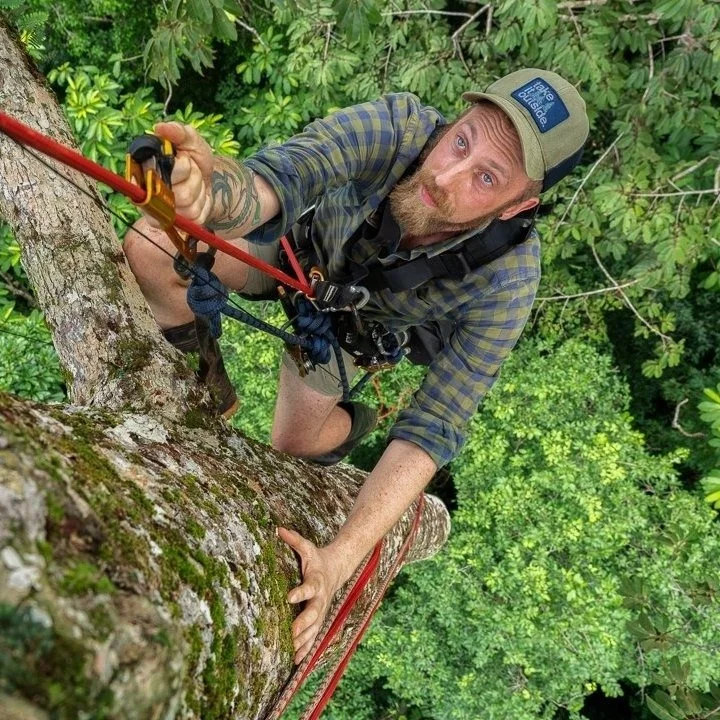
Dr. Andrew Whitworth is a tropical biodiversity and conservation scientist with extensive field experience across Peru, Costa Rica, and Ecuador. His research on movement ecology and rainforest canopy biodiversity monitoring spans the full elevational gradient of the Peruvian Andes-Amazon, from the lowland forests of Los Amigos to the high-elevation cloud forests of Wayqecha.
Whitworth is a pioneer of the use of arboreal camera traps in tropical rainforest canopies — a methodology now used globally to study elusive arboreal wildlife. In southwestern Costa Rica, he has helped design arboreal wildlife bridges that reconnect canopy across roads and has contributed to the effort to restore white-lipped peccaries to forests where they had been absent for over 40 years.
He earned his Ph.D. at the University of Glasgow and is currently a Research Fellow at Wake Forest University. With more than 80 scientific manuscripts and field guides to his name, Whitworth is widely recognized as a leading tropical ecologist and a National Geographic Explorer whose work continues to shape how we understand and protect the world's most biodiverse forests.
-
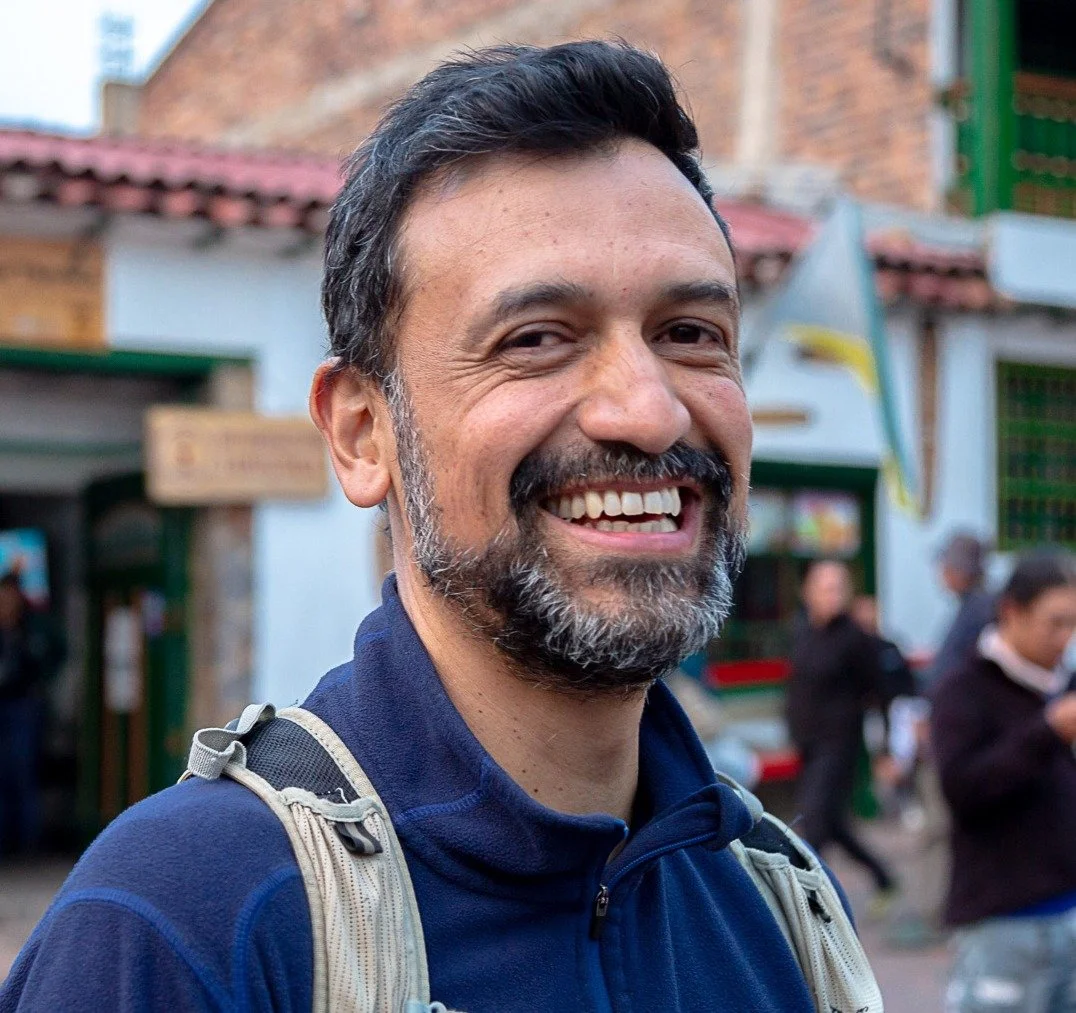
Dr. Alejandro Lopera is a Colombian biologist and a leading authority on dung beetle ecology and taxonomy in the Neotropics. He serves as Director of Manu Biological Station in the Peruvian Amazon, operated by Conservación Amazónica–ACCA, and has conducted fieldwork across Colombia, Ecuador, and Peru. His research uses dung beetles as bioindicators of tropical forest health and biodiversity change. He has co-described new species — including Ateuchus tona, a dung beetle from the Colombian Andes — and curates one of the most comprehensive reference collections of Colombian dung beetles. His recent work includes a 2026 study in Proceedings of the Royal Society B examining how temperature shapes dung beetle diversity along the Andean–Amazon elevation gradient. Lopera is also a wildlife photographer whose images document the small, often-overlooked species that drive tropical ecosystem function.
-
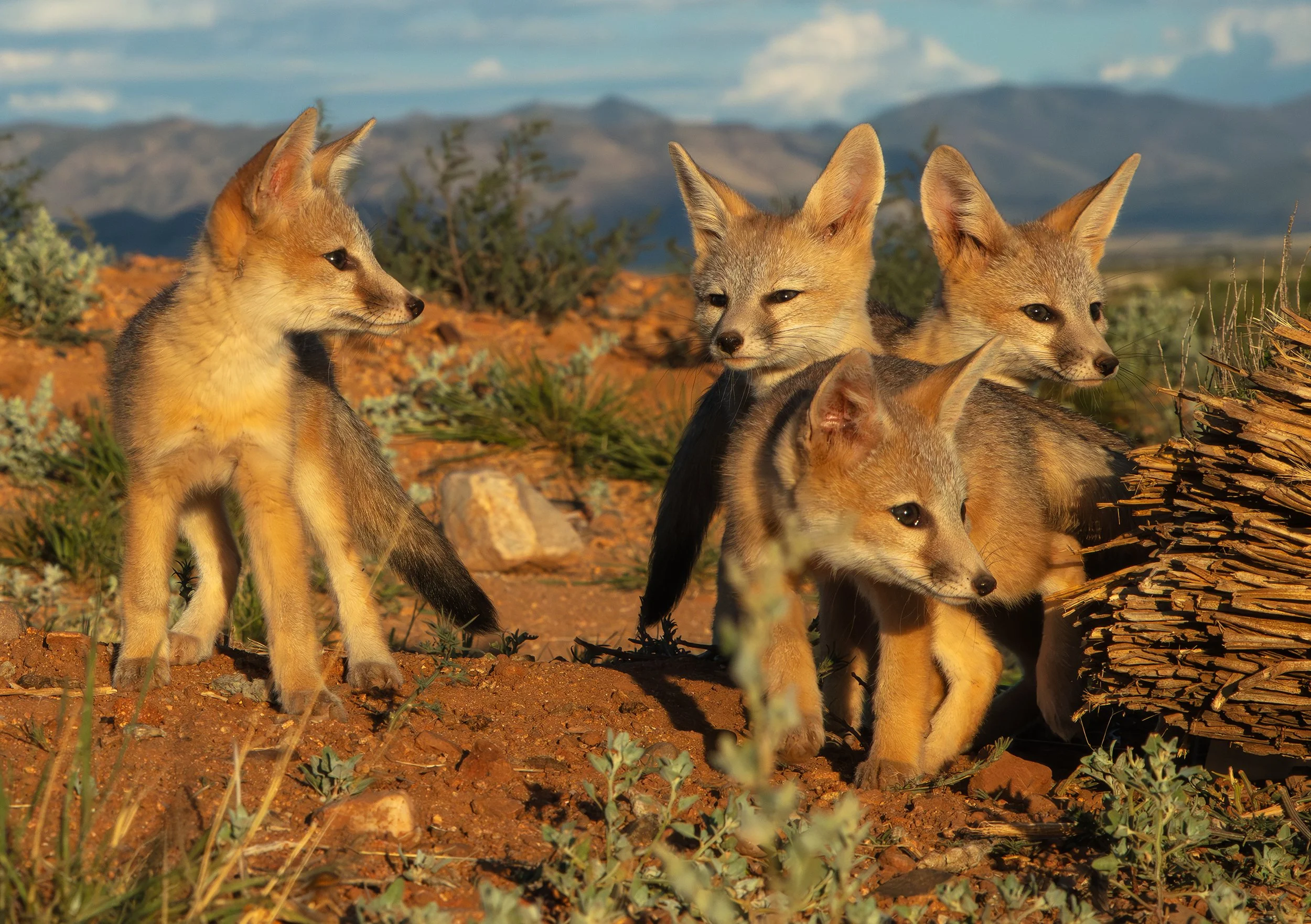
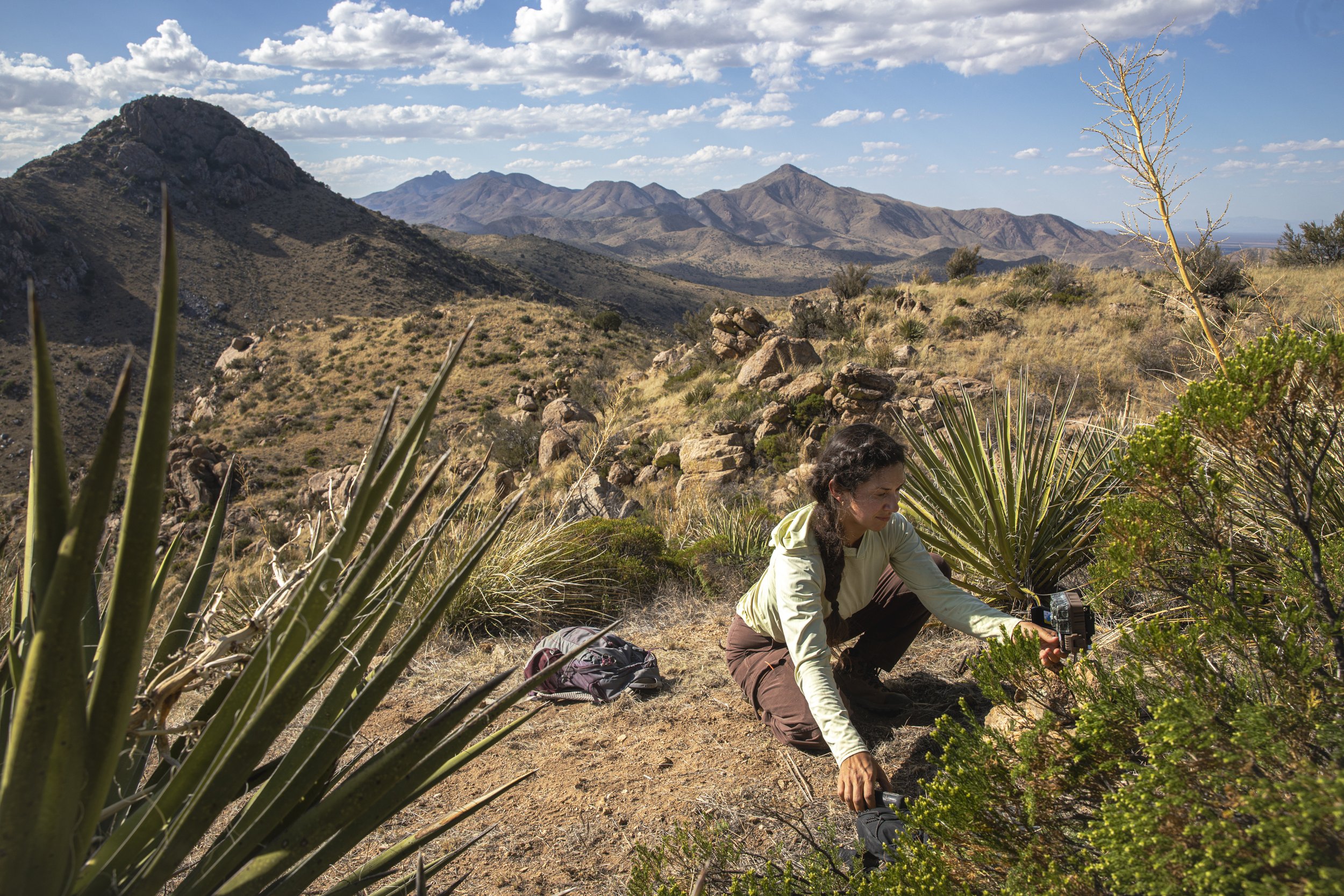
Chelsey Tellez is a conservation biologist and founder of Wildlife in Motion, which restores habitat and monitors biodiversity across the Madrean Sky Islands of southern Arizona and northern Mexico. She works through long-term partnerships with private landowners and working ranches under conservation easement. Current projects include restoring the binational agave corridor for the endangered Mexican long-nosed bat (Leptonycteris nivalis), building pollinator pathways for endangered desert plants, restoring riparian habitat and grasslands, leading a kit fox reintroduction for foxes displaced by solar development, and running a 110-camera monitoring network across these lands.
In 2026, Wildlife in Motion is partnering with Climate Corridors to deliver the first comprehensive biodiversity and connectivity assessment of the Madrean Sky Islands. Her family has worked the Arizona–New Mexico borderlands for generations, following agricultural work across the same country where she now does research. She holds a B.S. from Arizona State University, reads natural history, and works with her dog Pax always nearby.
-
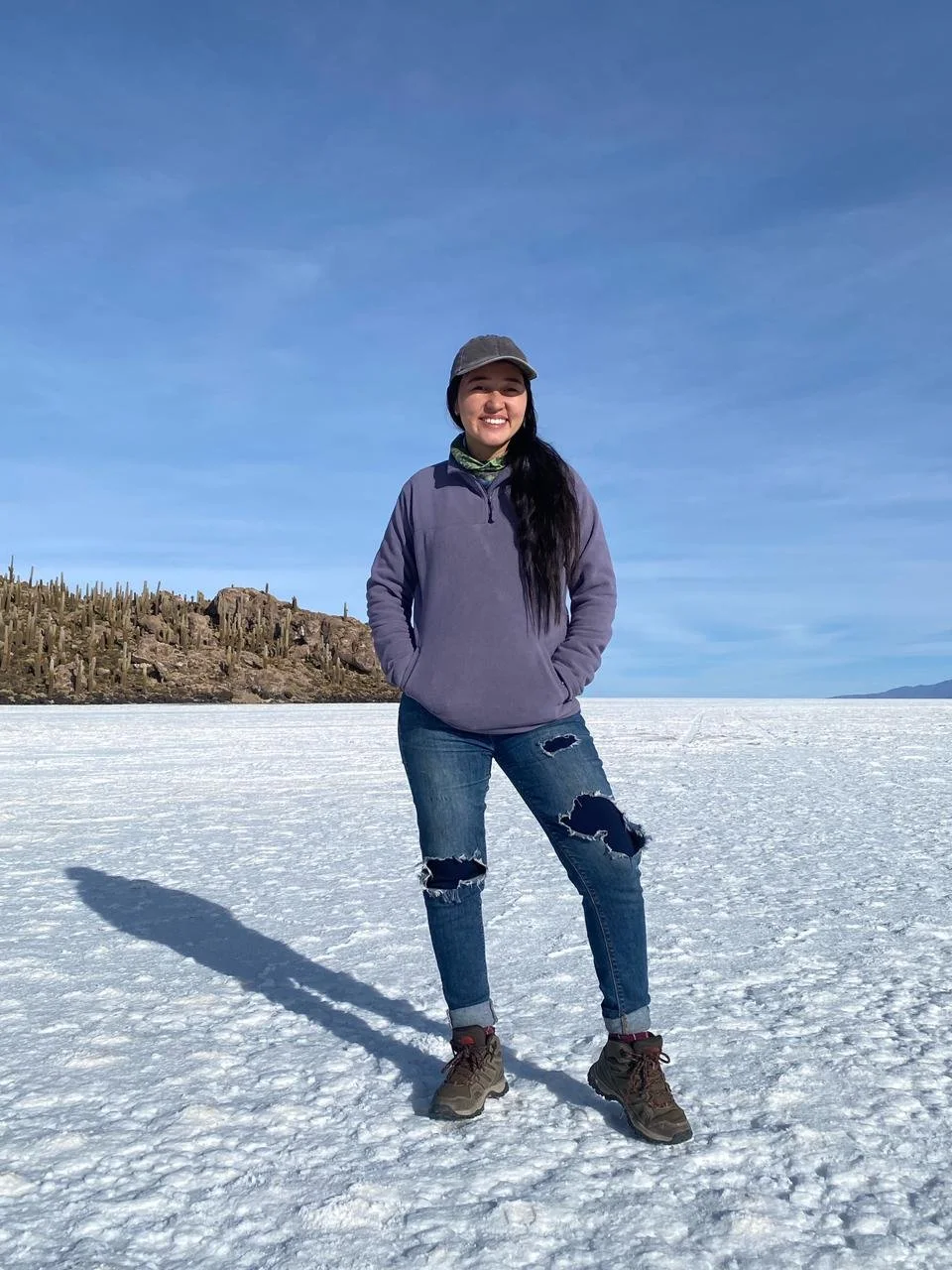
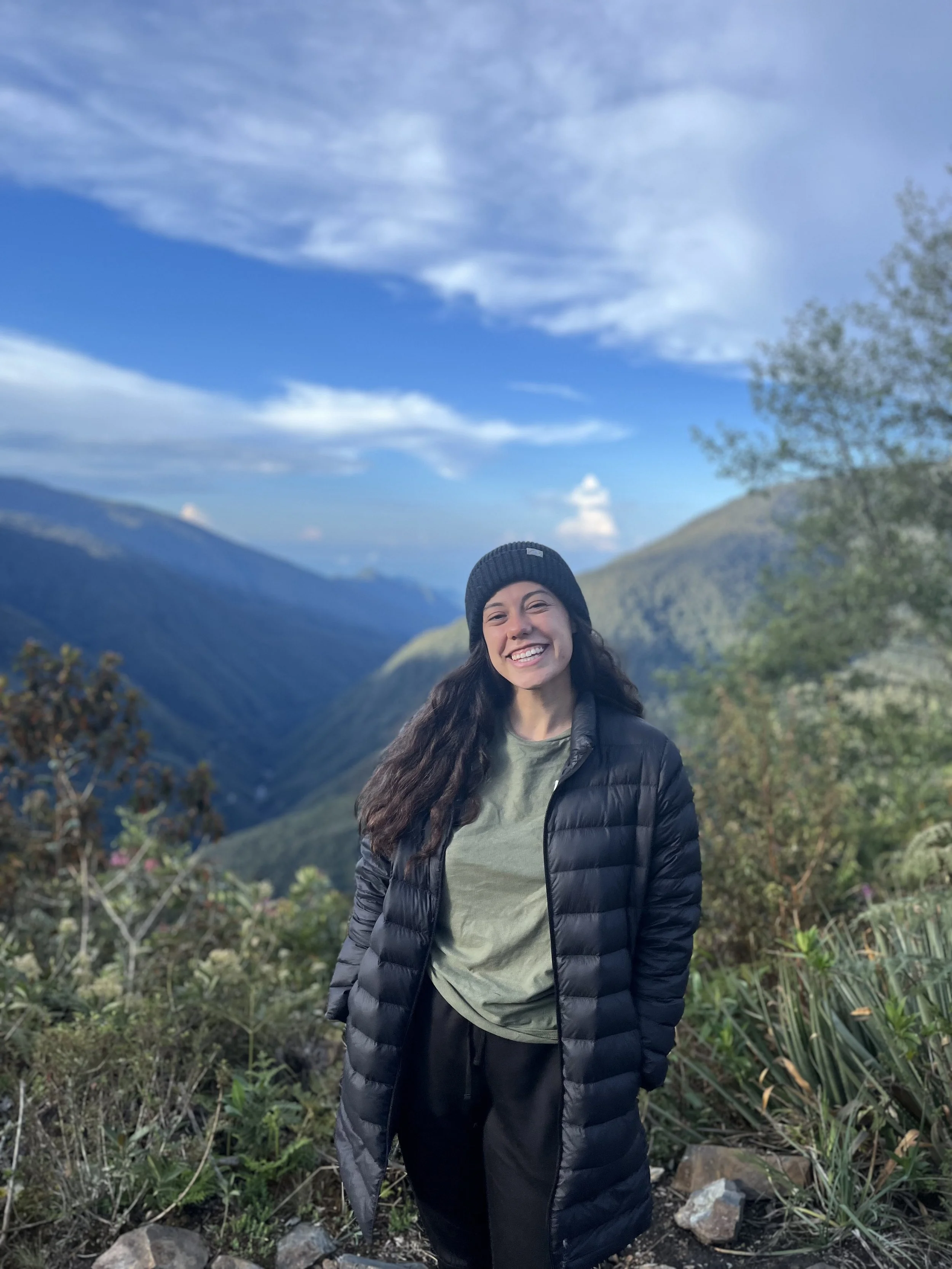
Biologist graduated from Universidad Central specialized in Ecology. Since 2023, she has been working in the Peruvian Amazon, participating in research on insect thermoregulation and physiology, as well as studies on mercury contamination and its impacts on Amazonian ecosystems. She has also led research on ectoparasites of Neotropical bats in Peru, contributing to the understanding of their ecological interactions, distribution, and parasitic dynamics.
Currently, she coordinates the Biota project at Los Amigos Biological Station, coordinating research activities and capacity building focused on Amazonian biodiversity. Her work integrates ecology, conservation, and scientific outreach, aiming to generate accessible knowledge that contributes to biodiversity conservation.
-
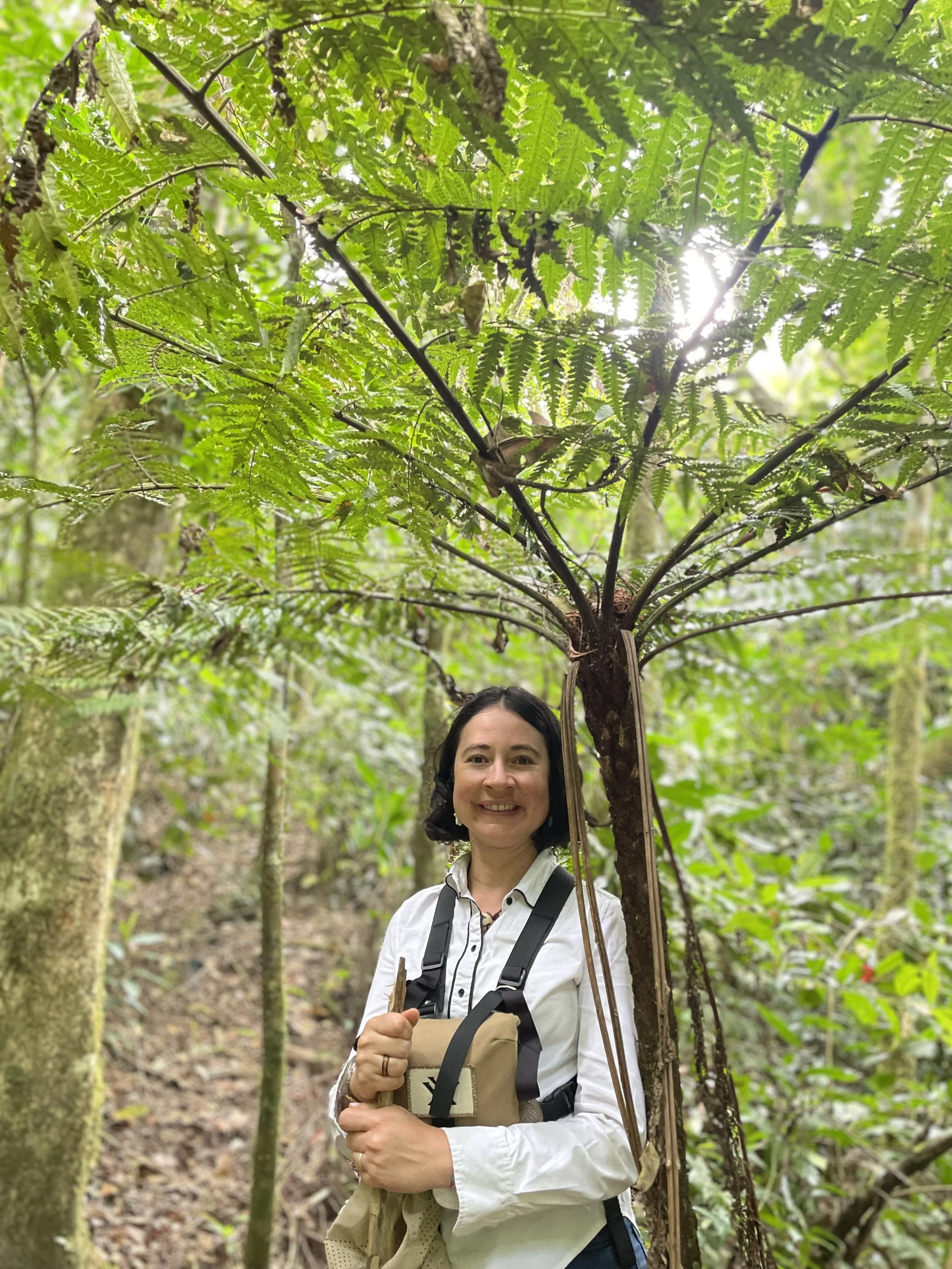
Juliana Morales is an entomologist and disease ecologist who serves as Director of the Thomas Lovejoy Molecular Biology, Biodiversity, and Climate Change Laboratory at Manu Biological Station, operated by Conservación Amazónica–ACCA. Her research focuses on zoonotic and vector-borne diseases — including leishmaniasis, malaria, and dengue — and how shifting biodiversity and land use shape disease transmission risk for both wildlife and local communities. Originally from Colombia, Morales has more than a decade of field experience across the Colombian and Peruvian Amazon, where she has worked as both a researcher and a consultant on biodiversity monitoring and public health interventions. She is trilingual in Portuguese, Spanish, and English.
-
Erin Rivera is a Mexican conservation biologist studying insect biodiversity as a barometer of tropical forest health. Based at Los Amigos Biological Station in the Peruvian Amazon — operated by Conservación Amazónica–ACCA — Rivera leads the first long-term study of cicada ecology and biodiversity in the Amazon rainforest. Using UV light traps and other field methods, her work examines how this rarely-studied bioindicator group responds to climate change, deforestation, and shifts in tree species composition. Cicadas, abundant but often overlooked, can reveal patterns of forest recovery and stress that are invisible at the level of larger taxa — making Rivera's research a critical lens on how the Amazon is changing.
-
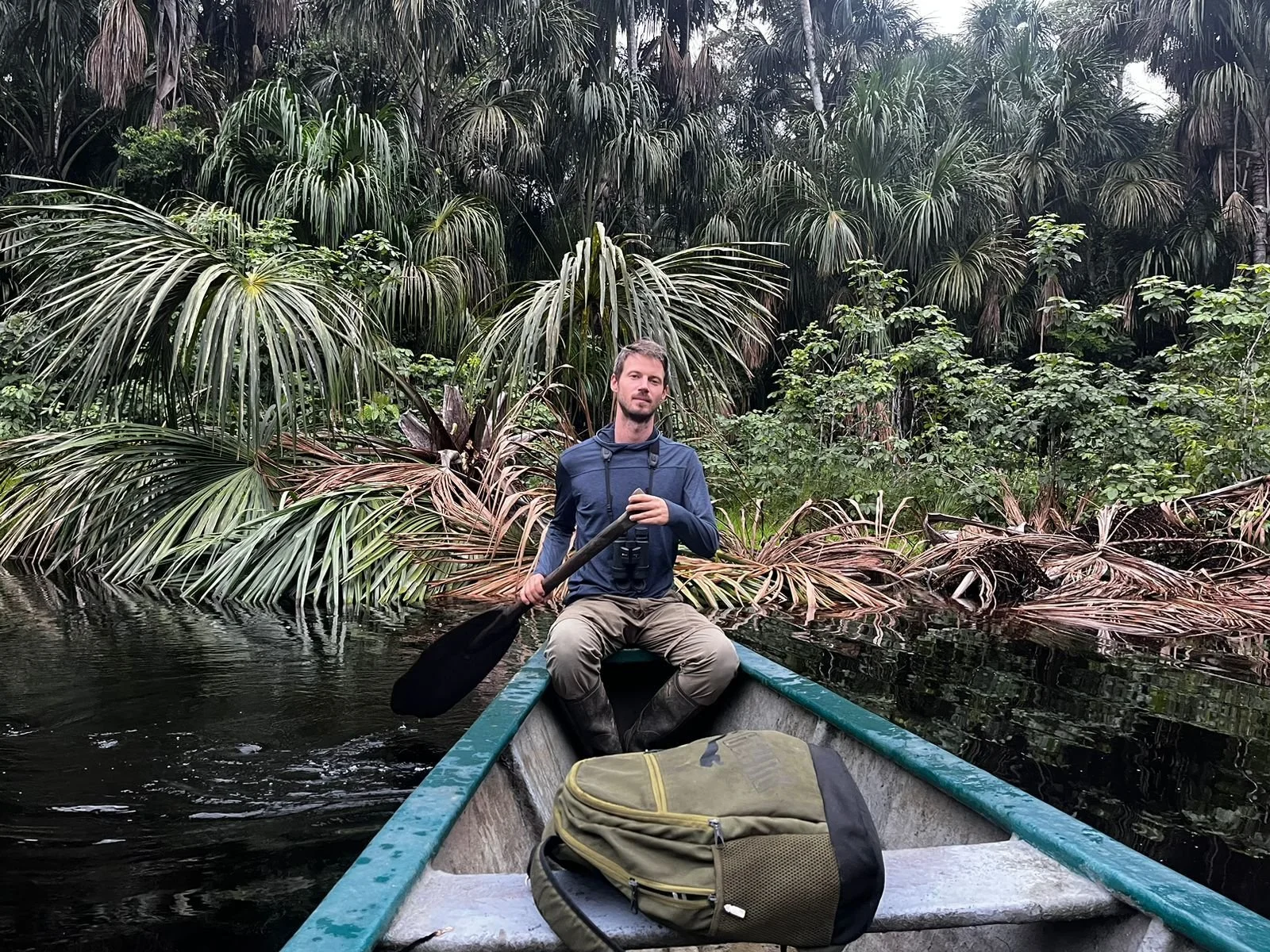
Sam Pottie is a primatologist affiliated with Oxford Brookes University. He has spent more than a decade living and working in remote field sites across South America, primarily in the southeastern Peruvian Amazon.
His work focuses on the ecology, behavior, natural history, and conservation of Neotropical mammals, particularly primates and other elusive rainforest species. Using long-term camera trap studies, he investigates wildlife behavior, species interactions, and rarely observed aspects of tropical forest ecology.
Much of his research centers on mineral licks and geophagy in Amazonian mammals. Through long-term monitoring projects, he studies how these species use mineral licks, and what these behaviors reveal about nutrition, ecology, social interactions, and conservation.
Our Core Team
-
Elena Chaboteaux is a tropical conservation biologist and 2024 winner of the Terre de Femmes International Award (Yves Rocher Foundation) for her work on mercury contamination in the Amazon. She serves as Mercury Contamination Project Manager at Climate Corridors, based at Los Amigos Biological Station in Peru, where she leads field research on how mercury — released into the rainforest by illegal artisanal gold mining — moves through soils, insects, and the broader ecosystem. Her work integrates soil microbiology, insect biomarkers, and field ecology, in collaboration with the University of Washington, the Pontifical Catholic University of Peru, and Conservación Amazónica–ACCA. Chaboteaux previously served as Scientific Coordinator at Manu Biological Station (2022–2024) and earned her M.Sc. magna cum laude in Biodiversity Conservation from the University of Tuscia, Italy. She is fluent in Italian, English, Spanish, and French.
-
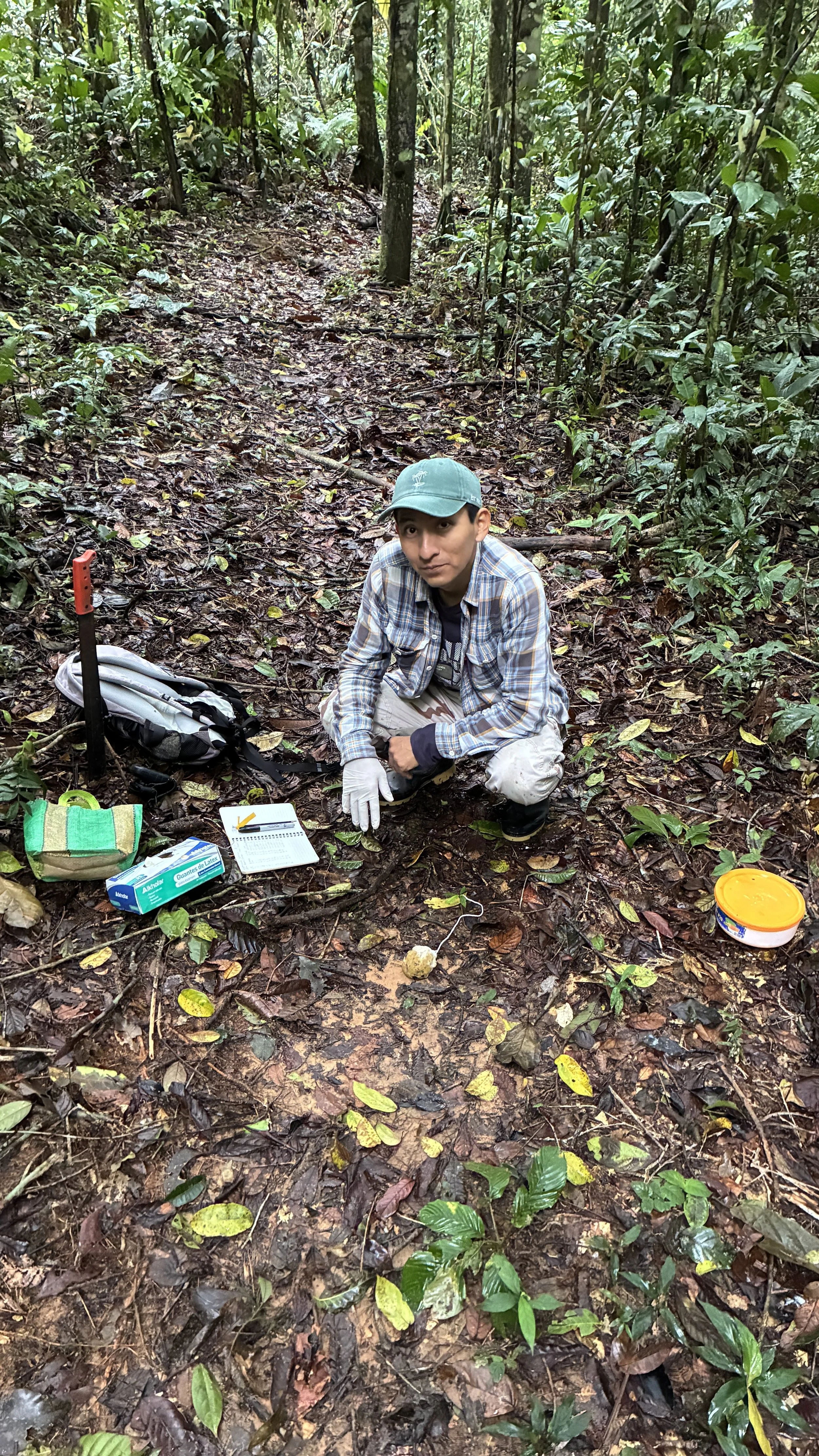
Edwin Jurado is a forestry engineer with a decade of experience as a field assistant and researcher. He holds a Master’s degree in Management and Conservation of Tropical Forests and Biodiversity from the Tropical Agricultural Research and Higher Education Center (CATIE). Currently, he is part of Climate Corridors, where he investigates the comparative ecology of floodplain and terra firme forest ecosystems, as well as plant-animal interactions. He has a solid track record in designing, executing, and leading field studies in the Peruvian Amazon, with a special focus on the Madre de Dios region.
-
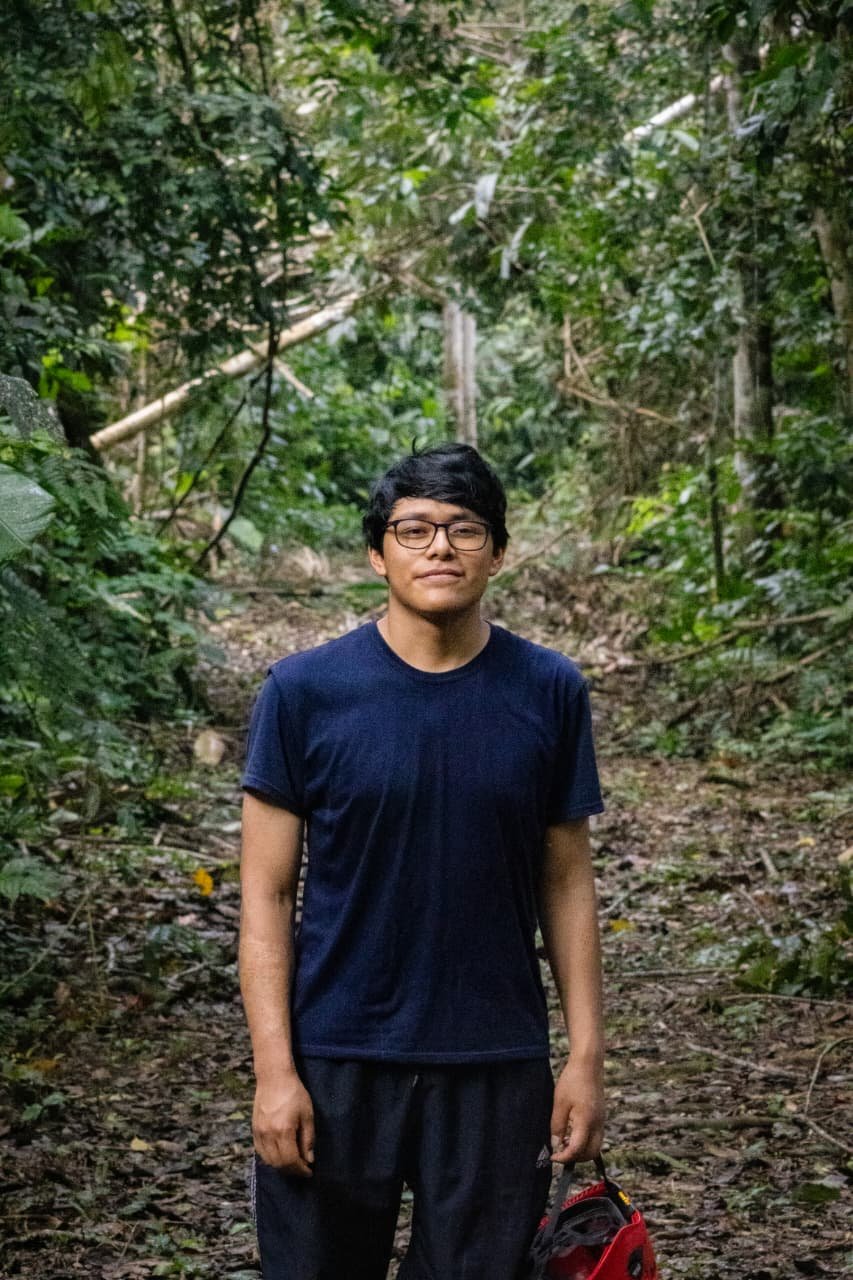
Biologist from the National University of San Cristóbal de Huamanga, with training in Ecology and Natural Resources. Has experience in wildlife assessment in Andean-Amazonian ecosystems, having participated in various conservation projects, and has an interest in ecological research focused on entomofauna for conservation purposes.
-
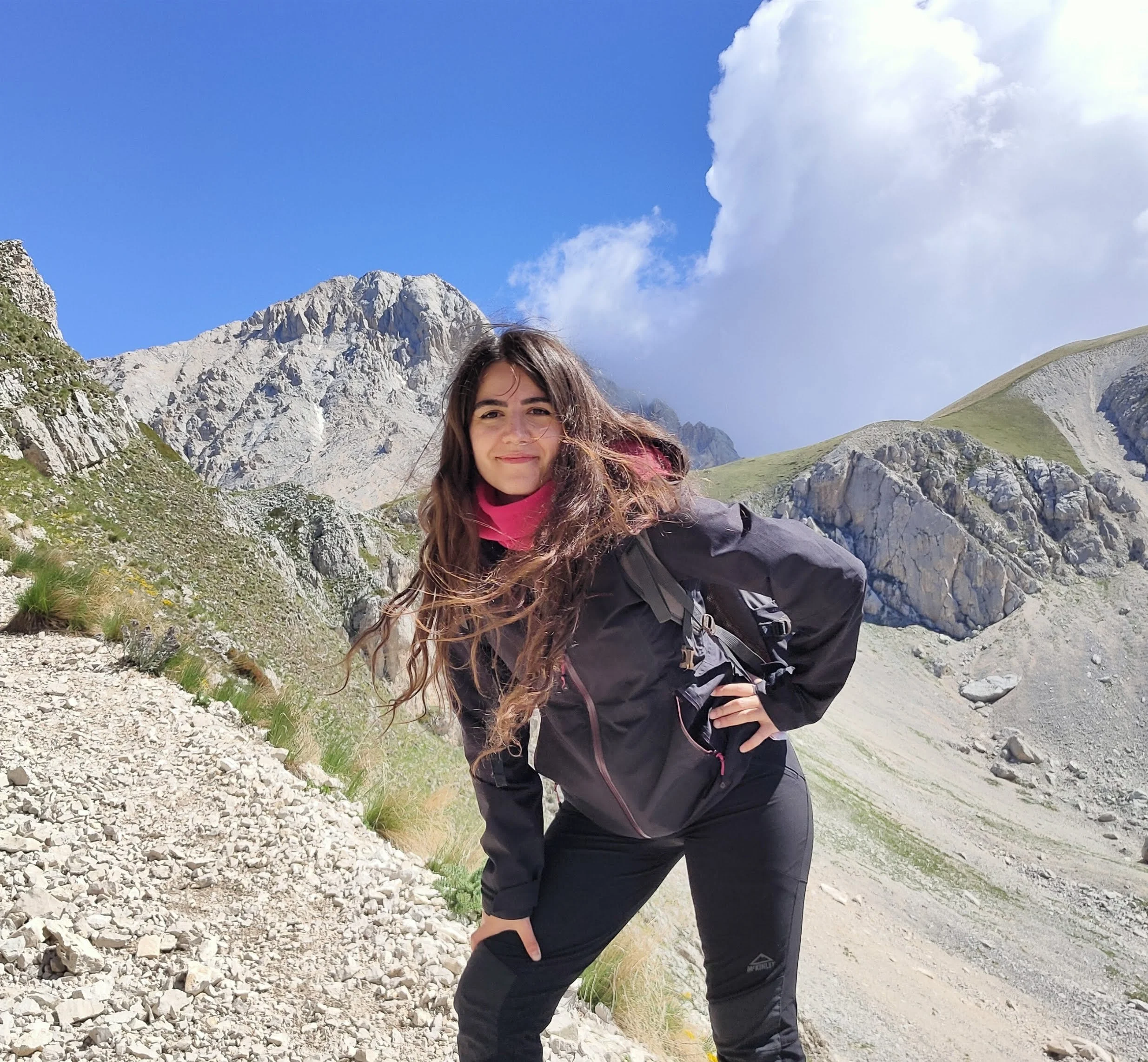
Senior Global Director, Planet Labs
Amy Rosenthal is the Senior Global Director for Conservation Initiatives at Planet Labs PBC, where she leads the public benefit corporation’s biodiversity and conservation programs. In 2024, Planet launched its digital public good program for biodiversity, Project Centinela, which Amy directs. Previously Amy served as Senior Director of the Keller Science Action Center at the Field Museum of Natural History in Chicago. Over the past 20 years, Amy has worked in philanthropy, academia, and social-profit organizations, focused on the development of science-based, community-centered strategies for nature conservation and sustainability. She holds degrees from Stanford University and Amherst College, publishing in the fields of conservation social science and technology, biodiversity and ecosystem services, and decision science. Amy is a member of the Oak Park Climate Action Network (OPCAN) and serves on the board of One Earth Collective, home to Chicago’s environmental film festival.
Board of Directors
-
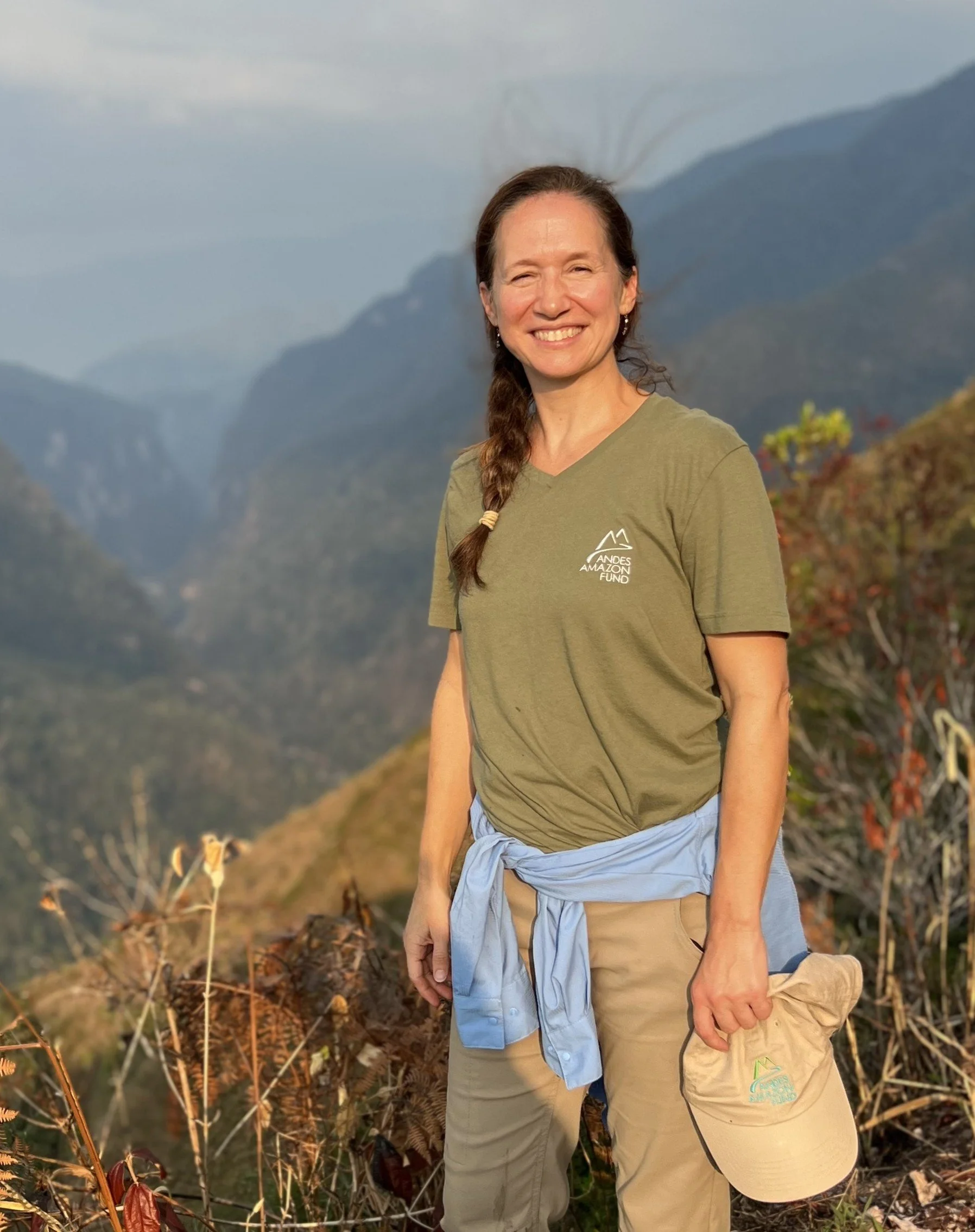
Executive Director of the Andes Amazon Fund
Through the Andes Amazon Fund, Megan has worked to support the designation of nearly 50 million acres of new protected areas and Indigenous lands in Peru, Bolivia, Colombia, Ecuador and Brazil since the Fund was established in 2014.
Megan has more than two decades focused on protecting Latin America’s rainforests. Prior to joining the Andes Amazon Fund, she served for seven years as Director of the Amazon Conservation Association. She holds a master’s degree in sustainable development and conservation biology from the University of Maryland and a bachelor’s in biology and environmental studies from Swarthmore College.
-
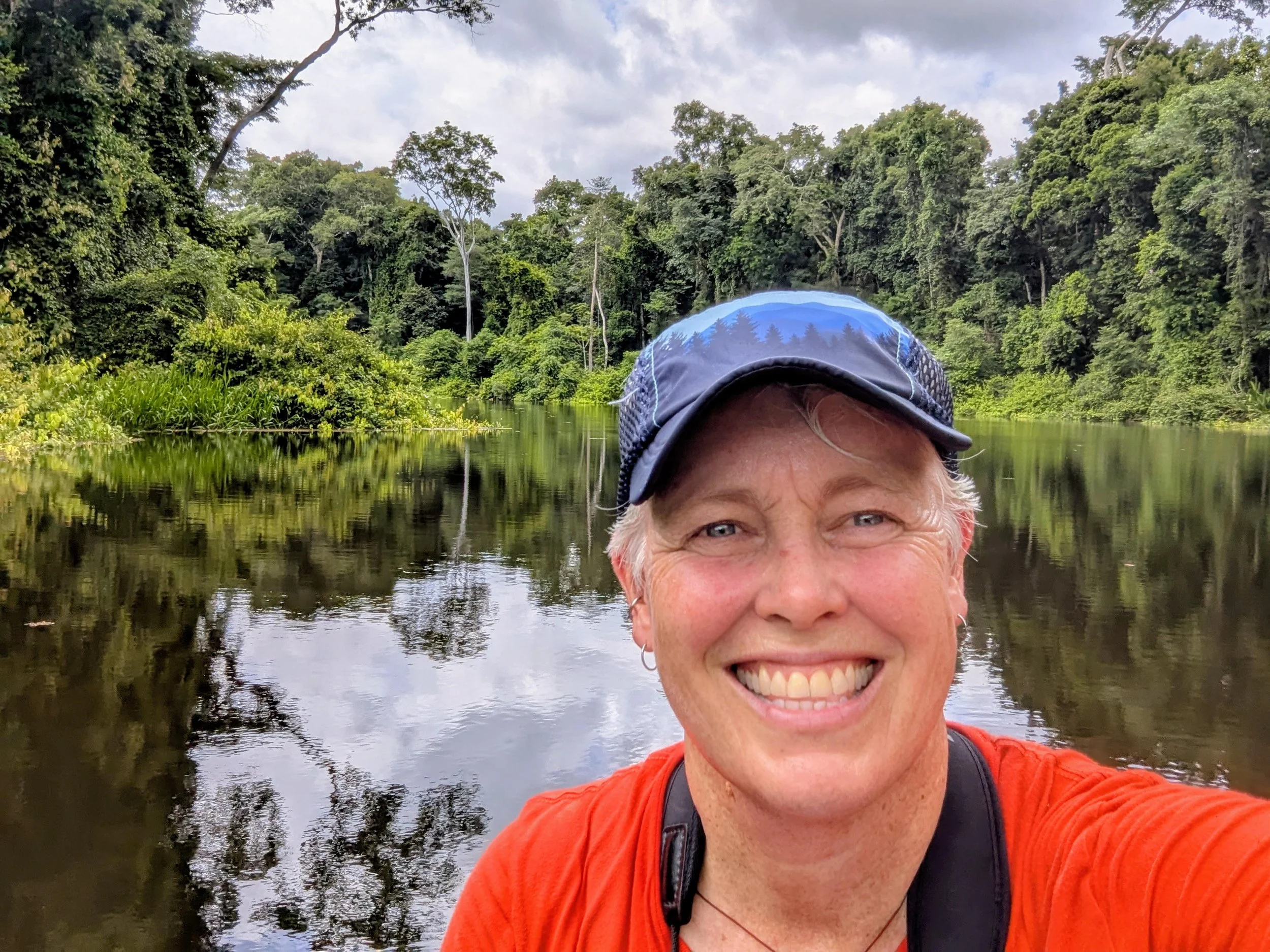
Science Director for Conservación Amazónica – ACCA
Dr. Corine Vriesendorp is a conservation ecologist and oversees research, training, education and outreach at Amazon Conservation-Peru’s three biological stations and a 146,000-ha conservation concession. For 22 years she directed the Andes-Amazon program the Field Museum of Natural History in Chicago led large-scale expeditions and pushed for conservation action across the Amazon. Together with partner institutions, the Museum’s team provided technical support to the governments of Bolivia, Ecuador and Peru to support the creation of 18 new conservation areas (10 million hectares) in the Western Amazon.
She served as Senior Advisor to the Science Panel for the Amazon, and she continues to form part of this panel of more than 185 experts who put science into the hands of decision makers in the Amazon basin.

-
Executive Director, Biome
Ana Mandri is a conservation leader with over 20 years of experience in sustainability, community engagement, and conservation finance. She is the leader of Biome, Canada’s leading international conservation organization.
For 15 years, Ana led FONCET, pioneering conservation finance in Mexico’s most biodiverse region. She later founded Zamia Media, a Canadian social enterprise connecting over 18,000 nonprofit leaders worldwide in fundraising and storytelling. Originally from Mexico, she holds a Master’s in Biodiversity, Conservation, and Management from the University of Oxford and a Bachelor’s in Marketing from Tecnológico de Monterrey.
-
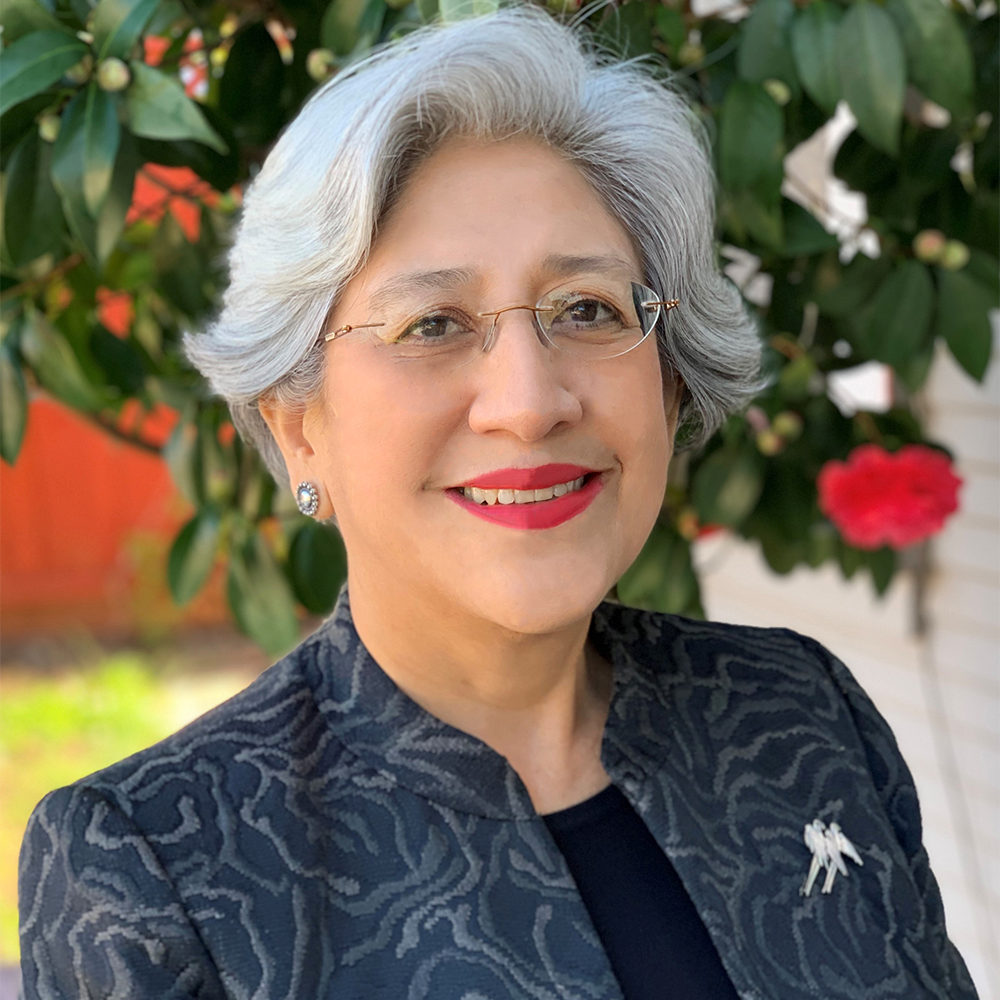
Global Director of the Food, Land & Water (FLW) Program at World Resources Institute
Crystal Davis leads the development and execution of strategies to foster transformative land use practices, addressing climate change, safeguarding nature, and promoting equitable development opportunities around the world. Prior to her current role, Crystal was instrumental in founding Global Forest Watch in 2014, and Land & Carbon Lab in 2021.
Before her time at World Resources Institute, Crystal honed her skills in environmental consulting in Half Moon Bay, California. She has also worked on strengthening forest governance in Brazil, Indonesia, and Cameroon as part of WRI's Institutions and Governance Program. Crystal holds a B.S. and M.S. in Earth Systems Science from Stanford University.
-
Program Director, Andes-Amazon Initiative, Gordon and Betty Moore Foundation
Dr. Chicchón leads the Andes-Amazon Initiative, which aims to secure the biodiversity and climatic function of the Amazon biome. Since the initiative began in 2001, it has helped conserve and improve management of over 170 million hectares in the Amazon, nearly one-third of the original forest cover. Avecita has over 30 years of experience in natural resource use, biodiversity conservation and sustainable development in Latin America and the Caribbean. Before coming to Moore, Avecita served as the executive director of the Latin America program at the Wildlife Conservation Society (WCS), where she led conservation programs in 15 countries
She currently serves on several committees and boards, including the Funders of the Amazon Basin, Strategic Steering Committee for the Andes Amazon Fund, the Amazon Biodiversity Center advisory board, and the program team for the Climate and Land Use Alliance. Avecita earned a Ph.D. in anthropology from the University of Florida. She has degrees in social sciences from the University of Cincinnati and from the Pontificia Universidad Católica del Perú. In 2004, she was awarded a Doctor Honoris Causa degree from the Universidad de la Amazonia Peruana, and in 2017, a Distinguished Alumni Award from the University of Florida.
-
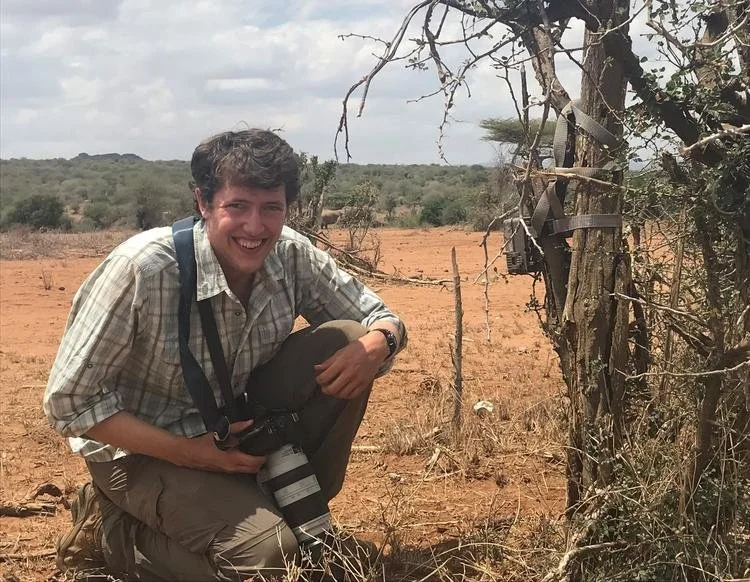
Researcher, Dale Fellowship, Princeton
Patrick Newcombe is a birder, wildlife photographer, and conservationist dedicated to understanding and protecting biodiversity --- especially the world's rarest species and most intact places. On Princeton's Dale Fellowship, he is studying efforts to stop extinctions of threatened, range-restricted birds. He graduated summa cum laude from Princeton University and he conducted his senior thesis research under Professor David S. Wilcove on how termite mounds drive landscape-scale patterns of savanna bird diversity at Gorongosa National Park.

-
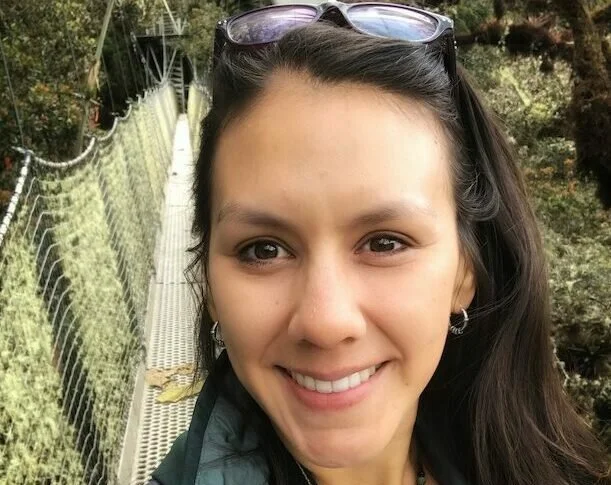
Conservation Technology Program Manager, Andes Amazon Fund
Dr. Carla Mere Roncal is a Peruvian conservation biologist whose work integrates emerging conservation technologies, geospatial science, and Indigenous knowledge to address questions in tropical ecology. As Conservation Technology Program Manager at the Andes Amazon Fund, she develops and supports the deployment of monitoring tools across the Andes-Amazon region, where she has worked since 2013. Her dissertation research focused on the use of conservation technologies to answer key questions in tropical ecology, and her past work includes managing the science and bird observatory program at a biological station in southeastern Peru and overseeing the geospatial component of the Governance and Infrastructure in the Amazon Project across four Amazonian regions.
Her publications span camera-trap-based bird ecology in the southwestern Amazon (co-authored with Adrian Forsyth, Journal of Field Ornithology, 2019) and ethnoprimatology — examining the cultural and conservation significance of primates among the Maijuna people of the Peruvian Amazon. Mere Roncal holds a Ph.D. in Forest Resources and Conservation from the University of Florida, an M.S. in Environmental Science and Policy from George Mason University, and a B.S. in Biology from Universidad Peruana Cayetano Heredia in Peru. As a Peruvian with Amazonian ancestry, her work is shaped by a deep commitment to Indigenous-led conservation and the well-being of communities in the region.
Field Partners
-
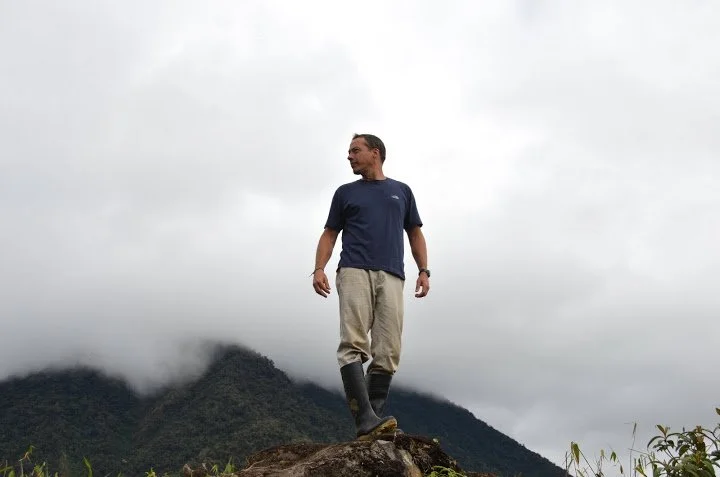
Professor, Wake Forest University
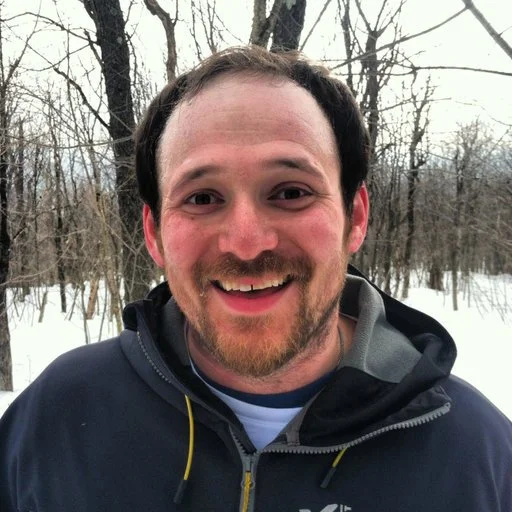
Dr. Miles Silman is a Professor of Biology and the Director of Center for Energy, Environment, and Sustainability at Wake Forest University. Silman earned his PhD in Zoology. His research focuses on community composition and dynamics of Andean and Amazonian tree communities to understand plant-climate relationships, with a particular emphasis in distributions along environmental gradients. Silman has 27 years of experience working the western Amazon and Andes.
-
Research Assistant Processor, Dartmouth College
Dr. David Lutz is an environmental scientist and ecologist with a background in simulation modeling, remote sensing, and ecological economics. His research focuses on documenting and analyzing environmental change through the use of novel modern technological methods and modeling for adaptive management strategies. Lutz is the Primary Investigator of a NASA Interdisciplinary Science project that utilizes the historical satellite archive and three decades of citizen science observations to observe changes in water quality.
-
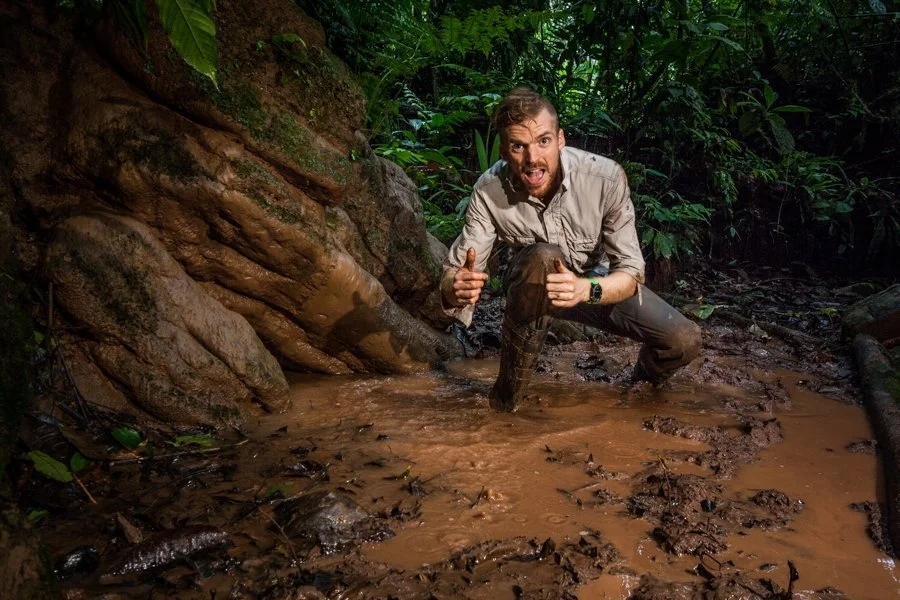
Dr. Chris Beirne is a research scientist who studies how wildlife communities respond to anthropogenic disturbance and, ultimately, the implications of such changes. He has spent over 10 years living and working in areas of extreme biodiversity (including Ecuador, Costa Rica, Peru and Gabon) or the extreme cold (Canada), and contributed to > 45 scientific publications along the way.
His recent work includes leveraging next generation tracking technology and traditional field techniques to understand how scavenger communities function.
Beirne is passionate about open access science, reproducible research and doughnut consumption.


Climate Corridors is a collaborative initiative made possible by our partner network:
