Meet the Climate Corridors Team
We are taking action to build climate resilience for people and nature, together.
Climate Corridor is composed of a dedicated volunteer consortium, leveraging individual expertise to drive forward our mission with passion and commitment.
Jump to advisors, field partners, or collaborators & supporters.
-
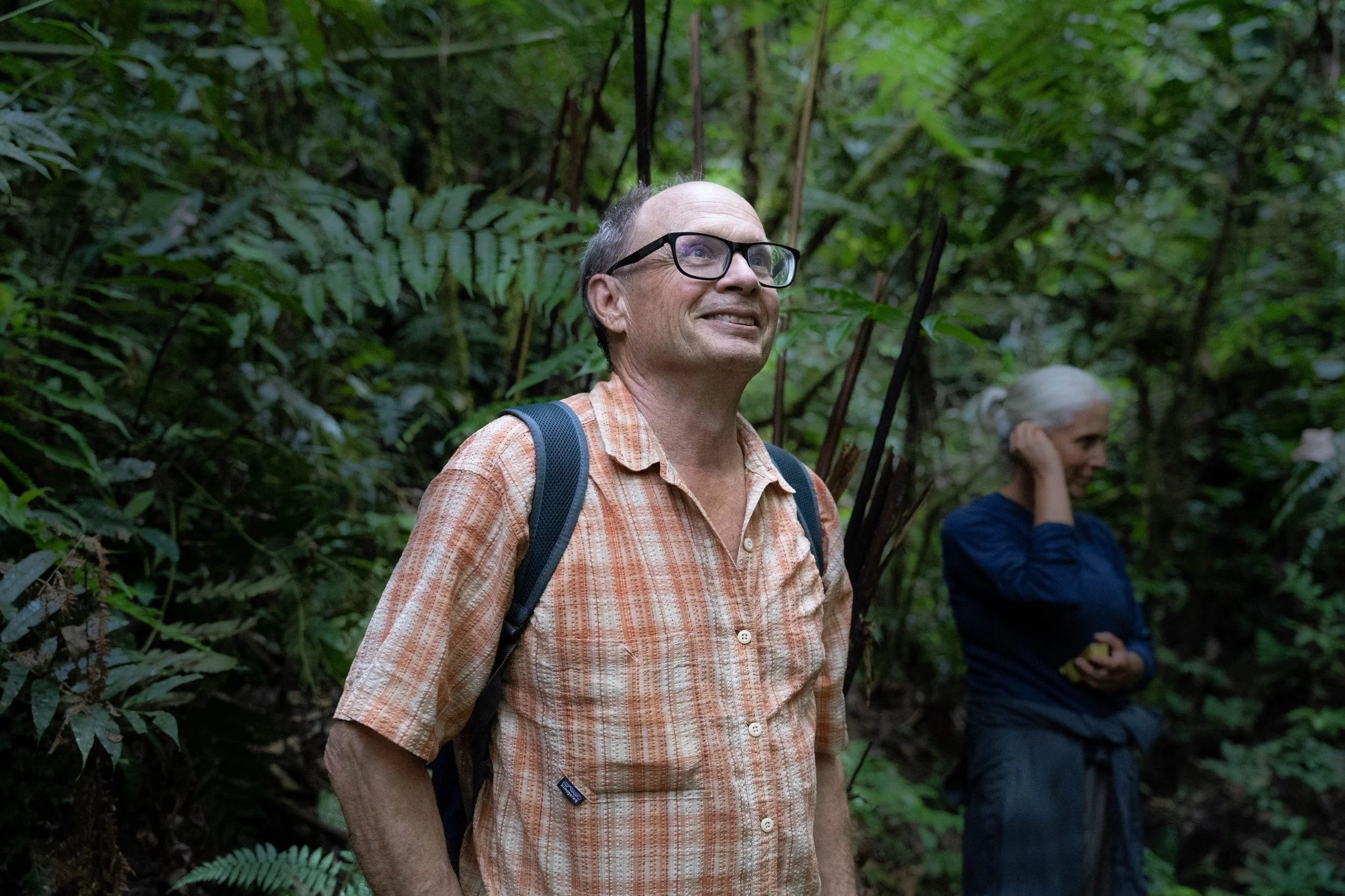
The founder of Climate Corridors, Osa Conservation, Amazon Conservation Association, and the Andes Amazon Fund, Dr. Forsyth has dedicated his life to conservation throughout the world's tropics through extensive fieldwork, research, teaching, and more.
Among North America’s finest natural history writers, he is the author of nine books, including Tropical Nature, Portraits of the Rainforest, and more. He received his Ph.D. in tropical ecology from Harvard University under renowned biologist E.O. Wilson.
-
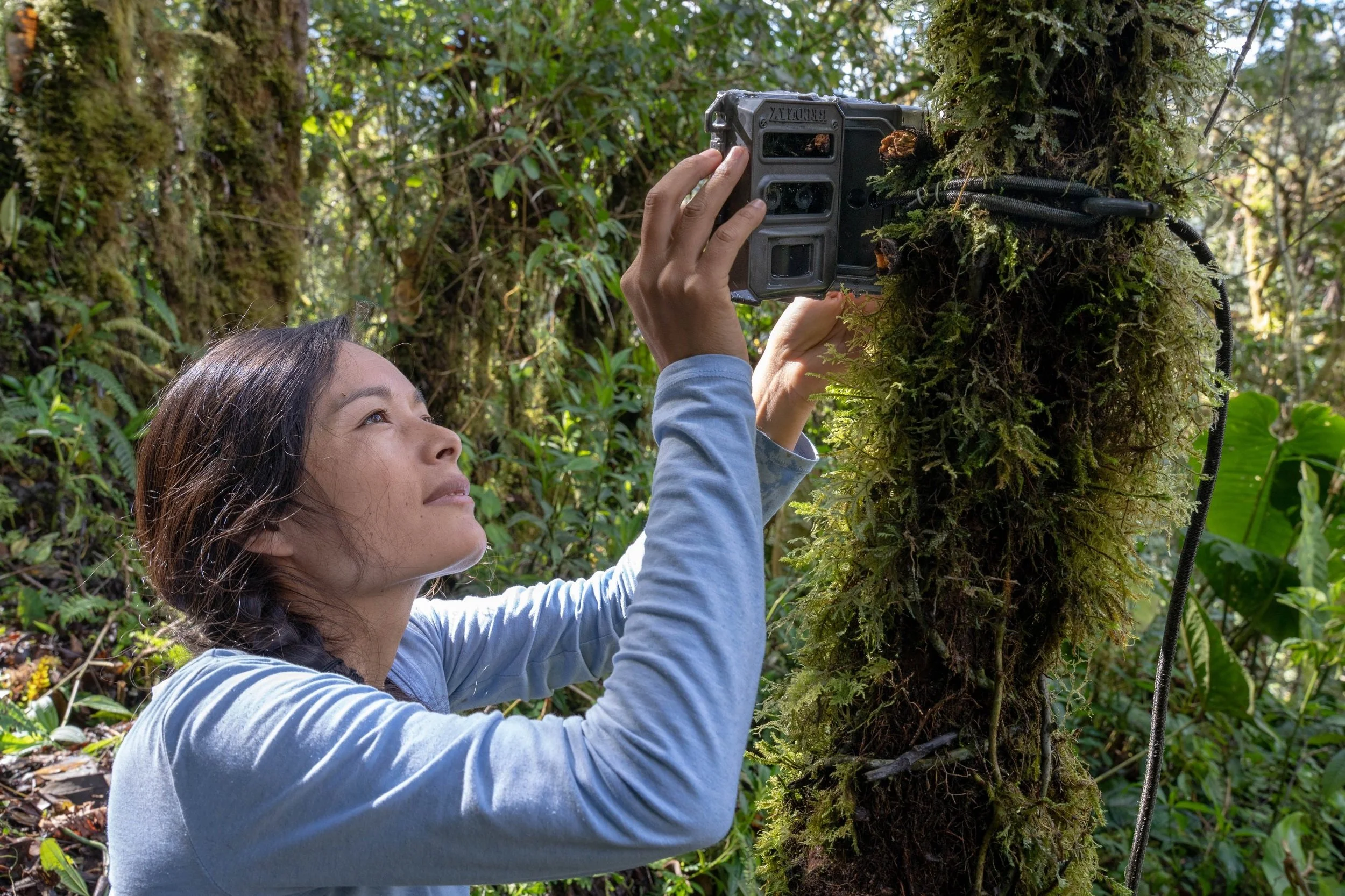
Andean Bear Project Coordinator, Conservación Amazónica - ACCA
Ruthmery Pillco is a Peruvian biologist and conservationist with extensive experience in leading conservation projects in diverse ecosystems, including rainforests and cloud forests in Costa Rica and Peru. With a master's degree in plant and fungi taxonomy, conservation, and biodiversity, Pillco Huarcaya has a strong background in conservation biology. She has held leadership roles in various conservation and research projects, and her work includes managing complex field operations, rewilding initiatives, and community engagement efforts. Her recent work includes serving as the Andean Bear Conservation Program leader and Wayqecha Biological Research Station Manager, where she focuses on Andean bear conservation and rewilding Amazonian cloud forests.
-
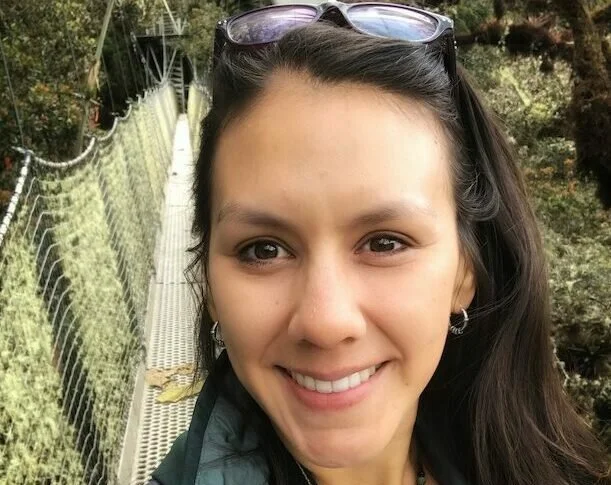
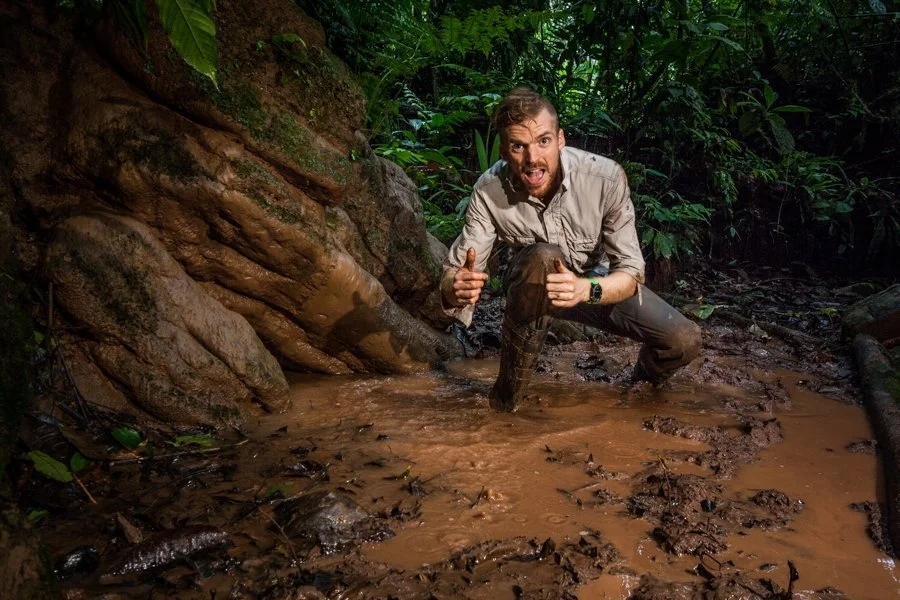
Wildlife Director, Osa Conservation
Dr. Chris Beirne is a research scientist who studies how wildlife communities respond to anthropogenic disturbance and, ultimately, the implications of such changes. He has spent over 10 years living and working in areas of extreme biodiversity (including Ecuador, Costa Rica, Peru and Gabon) or the extreme cold (Canada), and contributed to > 45 scientific publications along the way.
His recent work includes leveraging next generation tracking technology and traditional field techniques to understand how scavenger communities function.
Beirne is passionate about open access science, reproducible research and doughnut consumption.
-
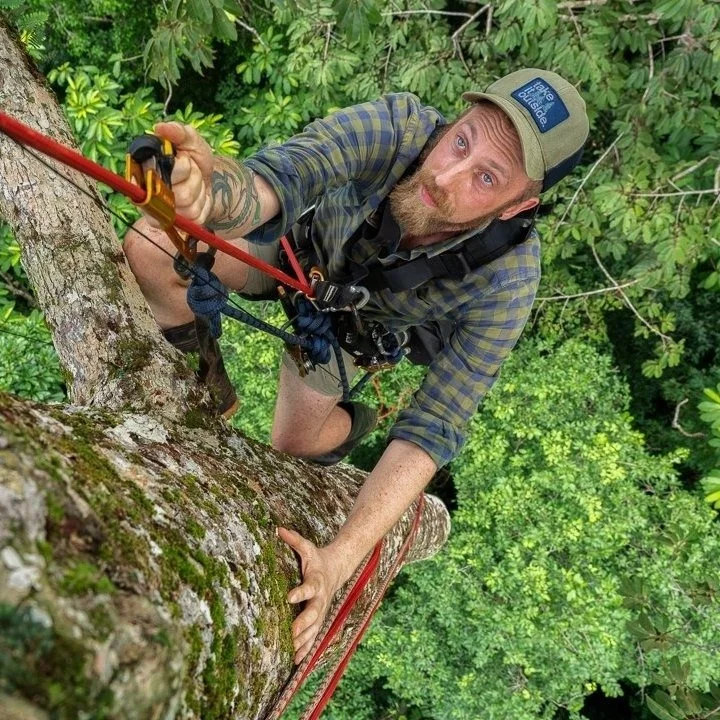
Conservation Technology Program Manager, Andes Amazon Fund
Dr. Carla Mere is a conservation biologist who has worked in the Andes Amazon region since 2013. Mere holds a P.h.D in Forest Resources and Conservation from the University of Florida, a M.S. in Environmental Science and Policy from George Mason University, and a B.S. in Biology from the Universidad Peruana Cayetano Heredia in Peru. As a Peruvian with Amazonian ancestry, Mere has a strong commitment to ensure the protection of its biodiversity and human-wellbeing.
-
Executive Director, Osa Conservation
Dr. Andrew Whitworth a wildlife biologist and conservation ecologist who has over 12 years of experience leading non-profits & academic institutions to advance conservation science and protect tropical biodiversity. He is the Executive Director of Osa Conservation, a science-driven conservation organization with an emphasis on measuring impact. He completed his doctoral degree at the University of Glasgow, Scotland, where he investigated the conservation and biodiversity value of regenerating tropical forest systems. With more than 40 scientific publications, he is dedicated to building programs to reduce hunting pressure, to restore rainforest habitat and preserve plant and wildlife species, and to find human-friendly approaches to tackle climate change. Whitworth is a National Geogrphic Explorer.
-
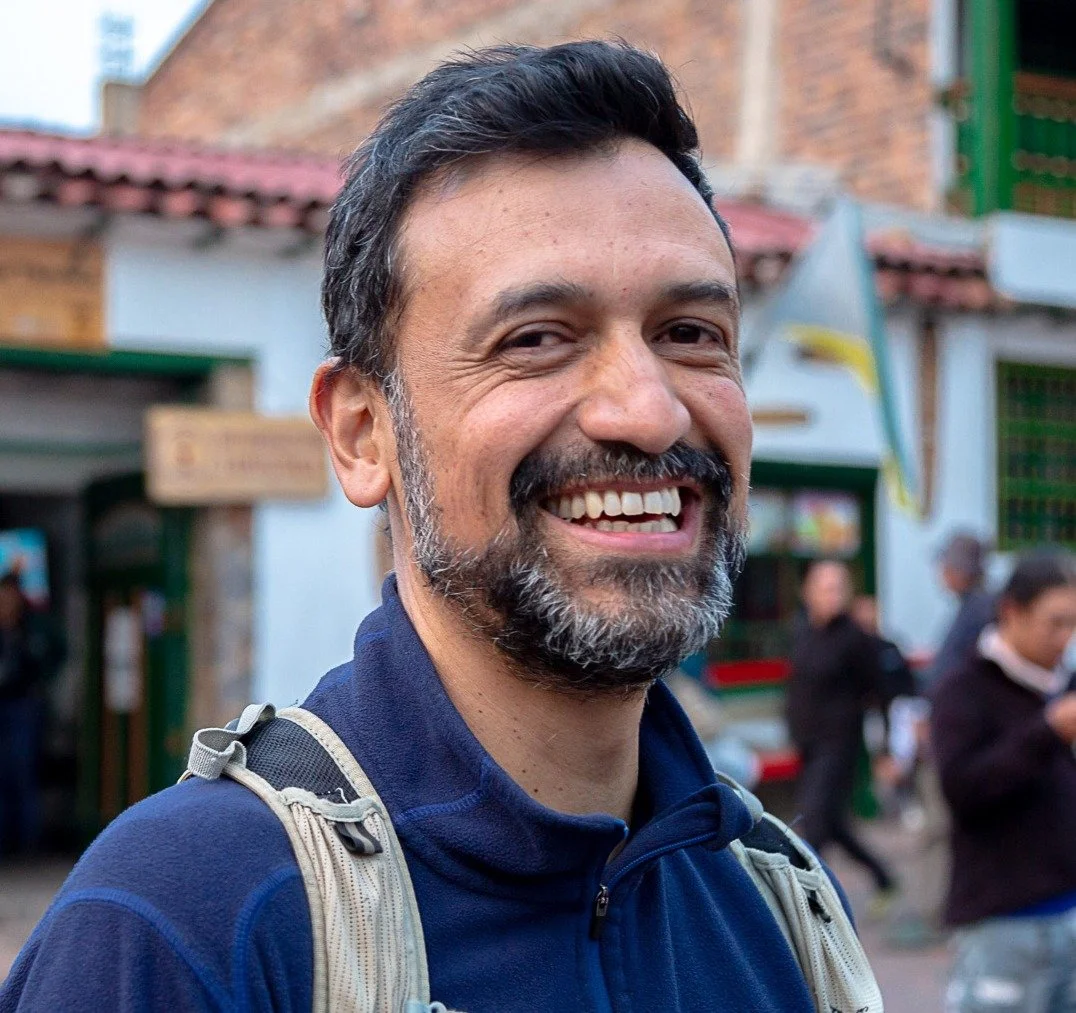
Manu Biological Station Director, Conservación Amazónica - ACCA
Alejandro Lopera is a biologist and dung beetle ecology researcher. Lopera is a director at Manu Biological Station in the Peruvian Amazon. He is also the curator of the Dung Beetle of Colombia collection and a photography enthusiast.
-
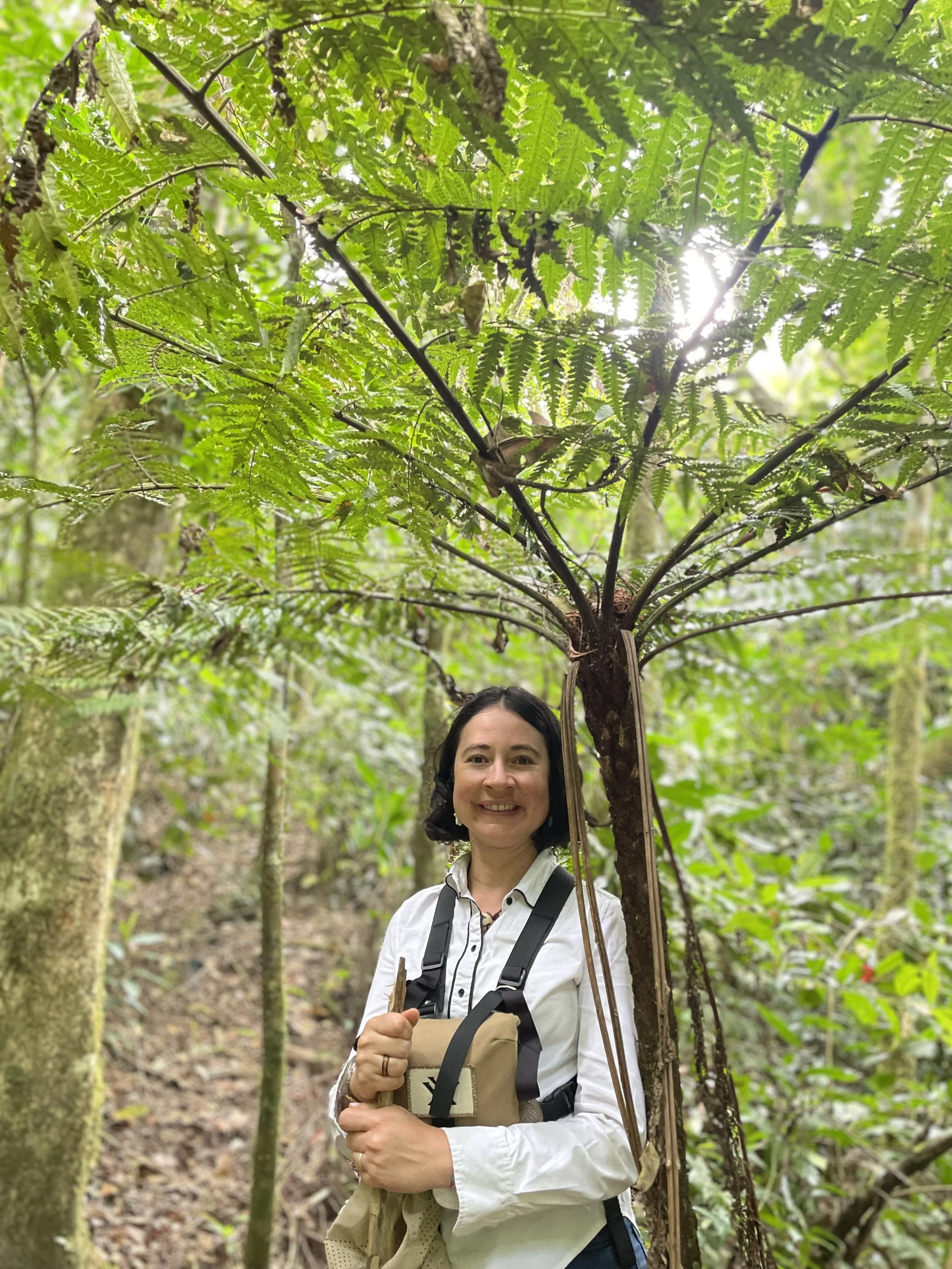
Manu Biostation Lab Manager, Conservación Amazónica - ACCA
Juliana Morales is an Entomologist and bird enthusiast. Currently she is the Biodiversity and Climate Change Thomas Lovejoy Lab manager at Manu Biostation. She has more than 10 years of experience working in Colombia and the Peruvian Amazon as a consultant. Juliana’s topics of interest include vector borne diseases research projects, mostly Malaria, Dengue and Leishmaniasis. She fluently speaks Portuguese, English and Spanish.
-
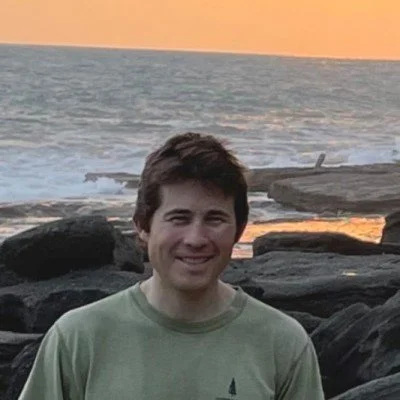
Landscape Conservation Scientist, Osa Conservation
Dr. Ian McCullough is a conservation scientist and research analyst with a focus on biodiversity, ecology, geospatial data analysis and data science.
McCullough has developed unique methodologies for mapping wildlife corridors from landscape to regional scales.
-
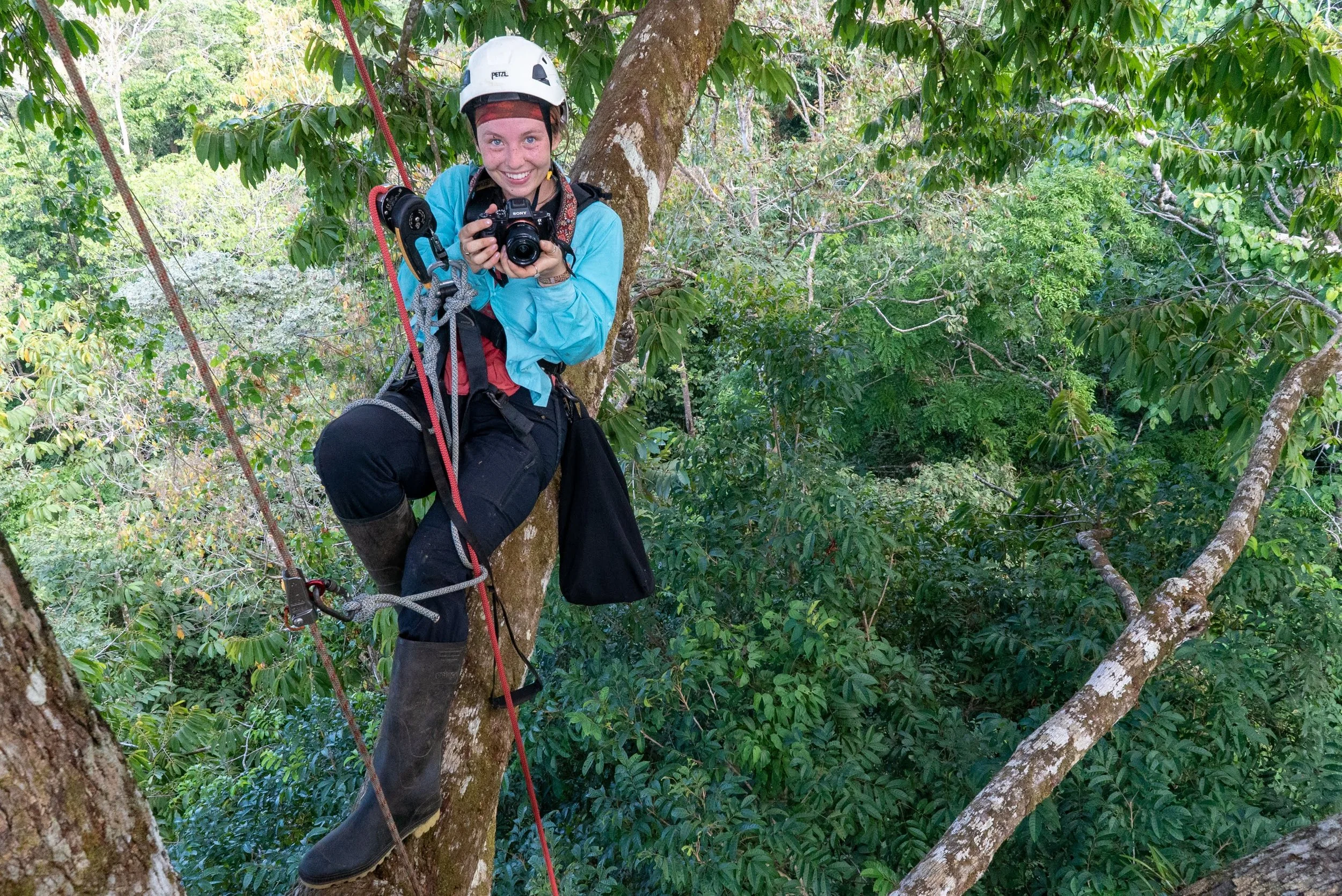
Conservation Biologist, Conservación Amazónica - ACCA
Erin Rivera is a Conservation Biologist from Mexico interested in studying and understanding changes in biodiversity resulting from human impact and climate change. Rivera is performing the first ever long-term study of cicada ecology and biodiversity in the Amazon Rainforest, with the purpose of better understanding how this bioindicator group is related with tree species and climate.
-
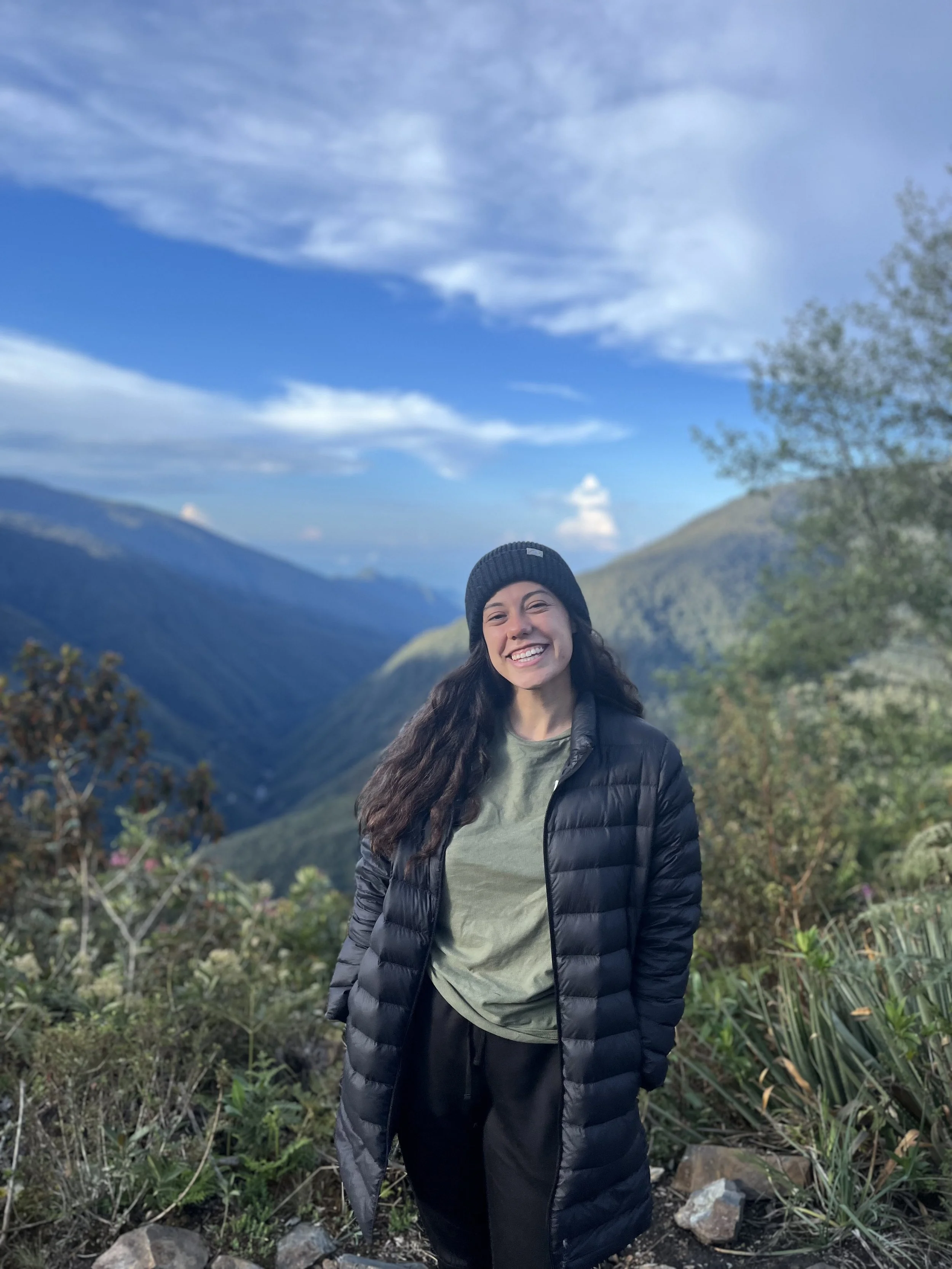
Development & Fundraising Manager, Osa Conservation
Lucy Kleiner is a bilingual conservationist who has worked in Costa Rica, Ecuador and Peru to build resilience for people and nature in the face of climate change. Kleiner has a background in scientific communications; her work has been featured by National Geographic, Mongabay, US Daily, La Nacion, La Republica, and more.
Our Core Team
-
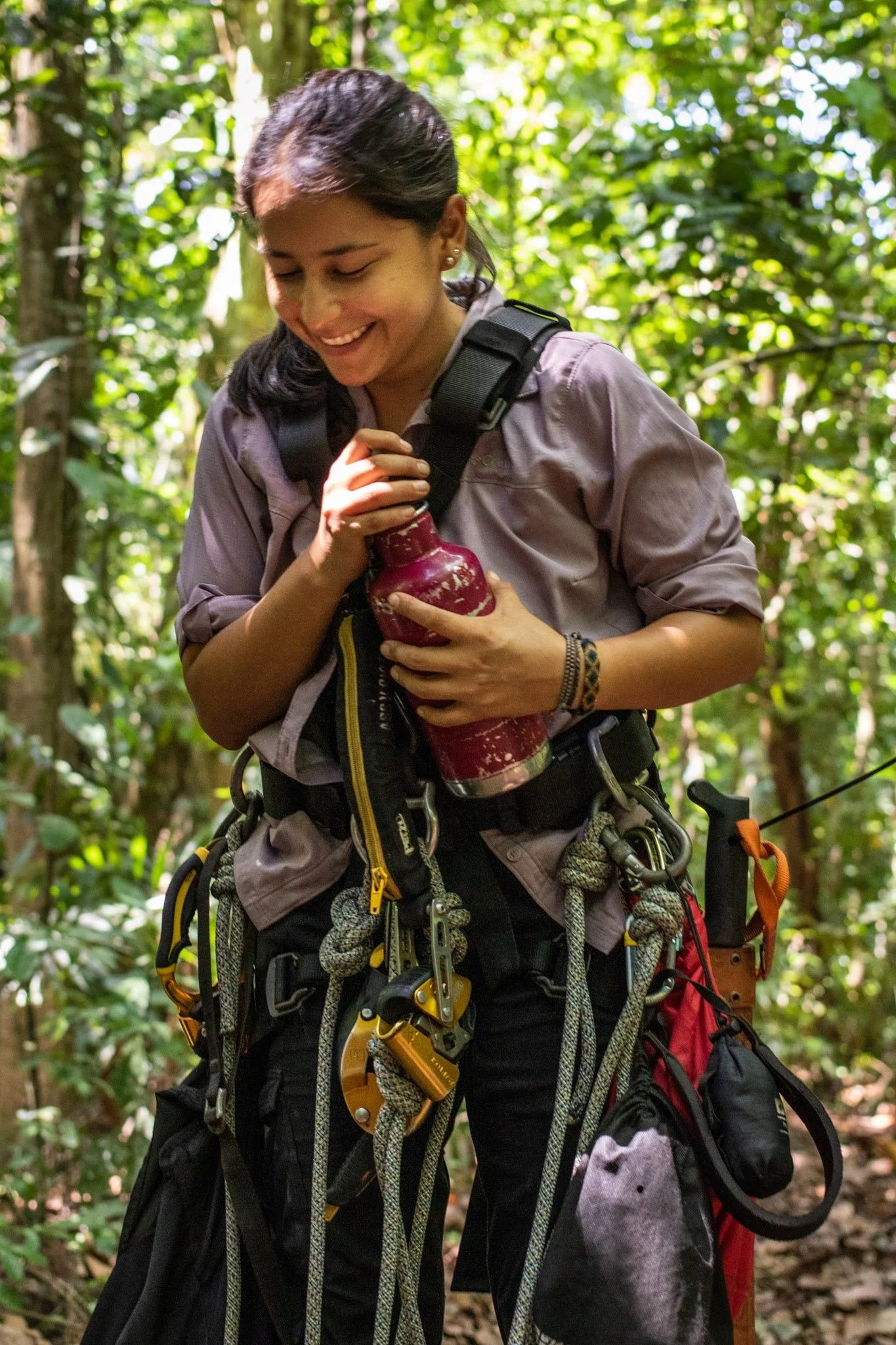
Mammal Project Manager, Andes Amazon Fund
Ariana Basto is a bilingual Peruvian conservation biologist interested in human-wildlife interactions in areas of high risk for conflict to inform conservation efforts. Basto monitors the mammal community of Los Amigos Biological Station and Los Amigos Conservation Concession to understand how Climate Change will impact its dynamics
-
Manu Biological Station Scientific Coordinator, Andes Amazon Fund
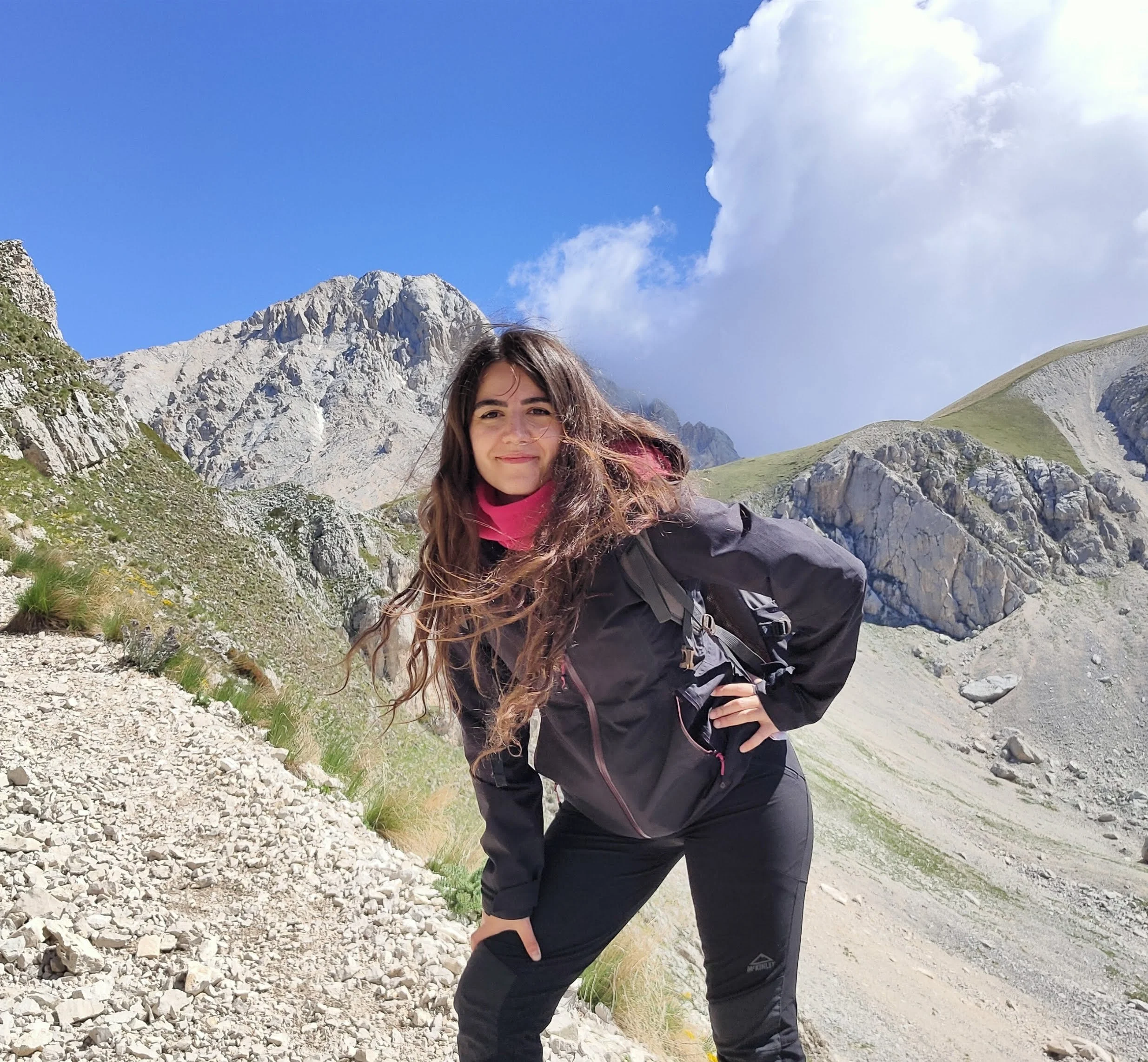
Elena is a tropical conservation biologist with a deep interest in the anthropogenic impacts on biodiversity all over the Neotropics. She has been working in the Amazon rainforest of Peru since 2018, focusing on soil microbiology as a way to assess the damage made by illegal selective logging on the ecosystem and mercury contamination due to gold mining. She is fluent in Italian, English, Spanish and French.
-
Senior Global Director, Planet Labs
Amy Rosenthal is the Senior Global Director for Conservation Initiatives at Planet Labs PBC, where she leads the public benefit corporation’s biodiversity and conservation programs. In 2024, Planet launched its digital public good program for biodiversity, Project Centinela, which Amy directs. Previously Amy served as Senior Director of the Keller Science Action Center at the Field Museum of Natural History in Chicago. Over the past 20 years, Amy has worked in philanthropy, academia, and social-profit organizations, focused on the development of science-based, community-centered strategies for nature conservation and sustainability. She holds degrees from Stanford University and Amherst College, publishing in the fields of conservation social science and technology, biodiversity and ecosystem services, and decision science. Amy is a member of the Oak Park Climate Action Network (OPCAN) and serves on the board of One Earth Collective, home to Chicago’s environmental film festival.
Advisory Committee
-
Executive Director of the Andes Amazon Fund
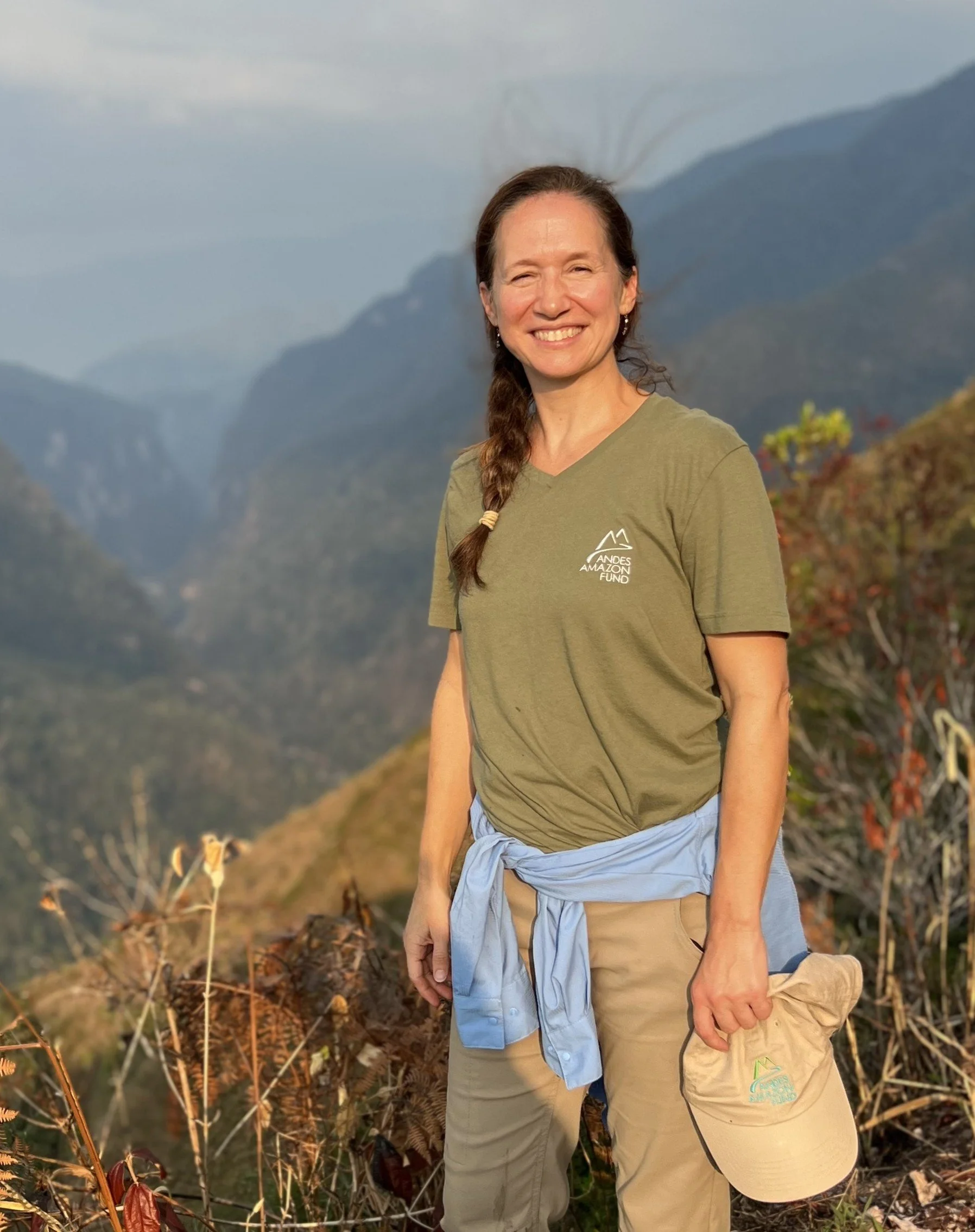
Through the Andes Amazon Fund, Megan has worked to support the designation of nearly 50 million acres of new protected areas and Indigenous lands in Peru, Bolivia, Colombia, Ecuador and Brazil since the Fund was established in 2014.
Megan has more than two decades focused on protecting Latin America’s rainforests. Prior to joining the Andes Amazon Fund, she served for seven years as Director of the Amazon Conservation Association. She holds a master’s degree in sustainable development and conservation biology from the University of Maryland and a bachelor’s in biology and environmental studies from Swarthmore College.
-
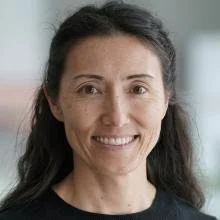
Science Director for Conservación Amazónica – ACCA
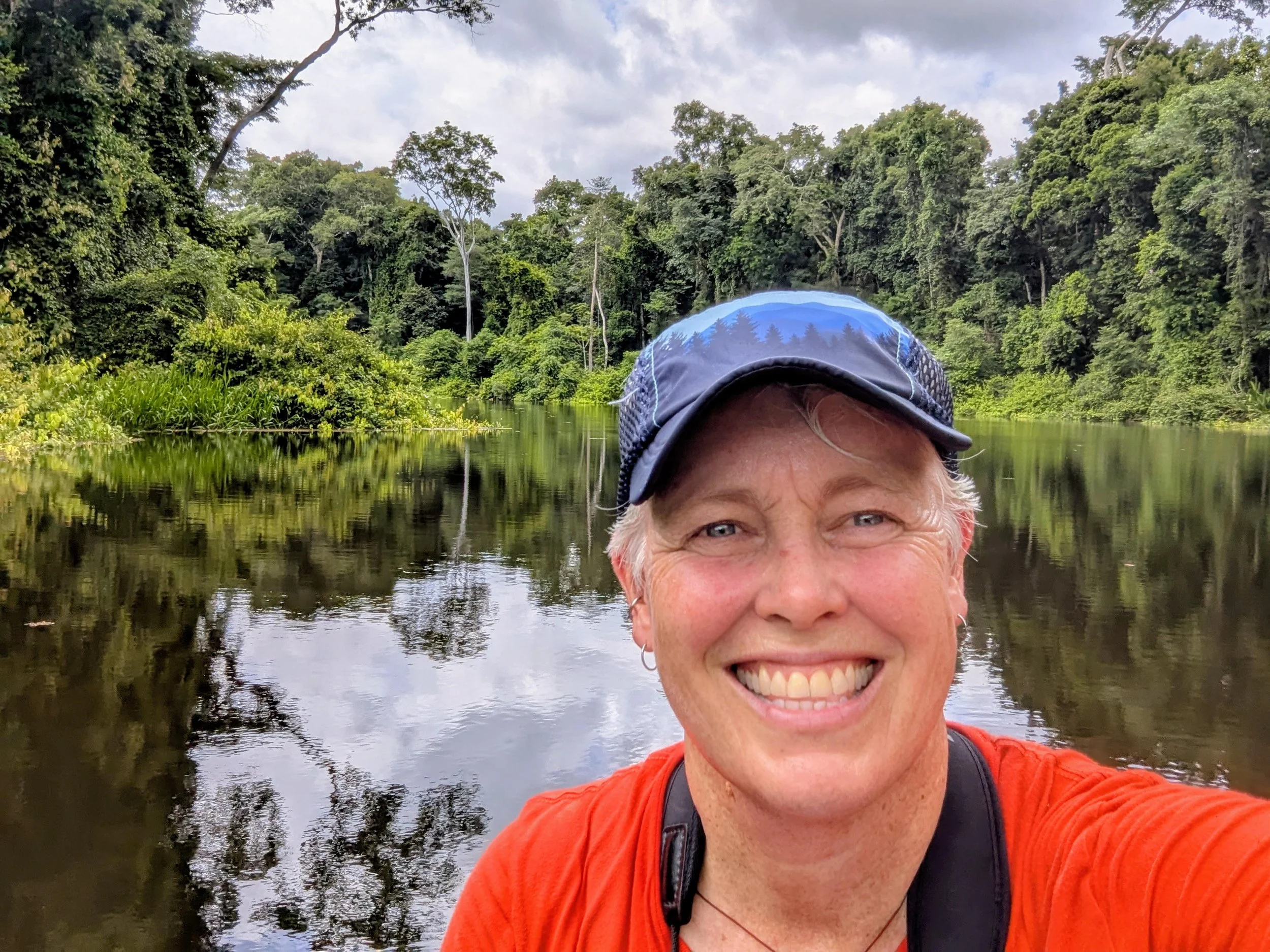
Dr. Corine Vriesendorp is a conservation ecologist and oversees research, training, education and outreach at Amazon Conservation-Peru’s three biological stations and a 146,000-ha conservation concession. For 22 years she directed the Andes-Amazon program the Field Museum of Natural History in Chicago led large-scale expeditions and pushed for conservation action across the Amazon. Together with partner institutions, the Museum’s team provided technical support to the governments of Bolivia, Ecuador and Peru to support the creation of 18 new conservation areas (10 million hectares) in the Western Amazon.
She served as Senior Advisor to the Science Panel for the Amazon, and she continues to form part of this panel of more than 185 experts who put science into the hands of decision makers in the Amazon basin.
-
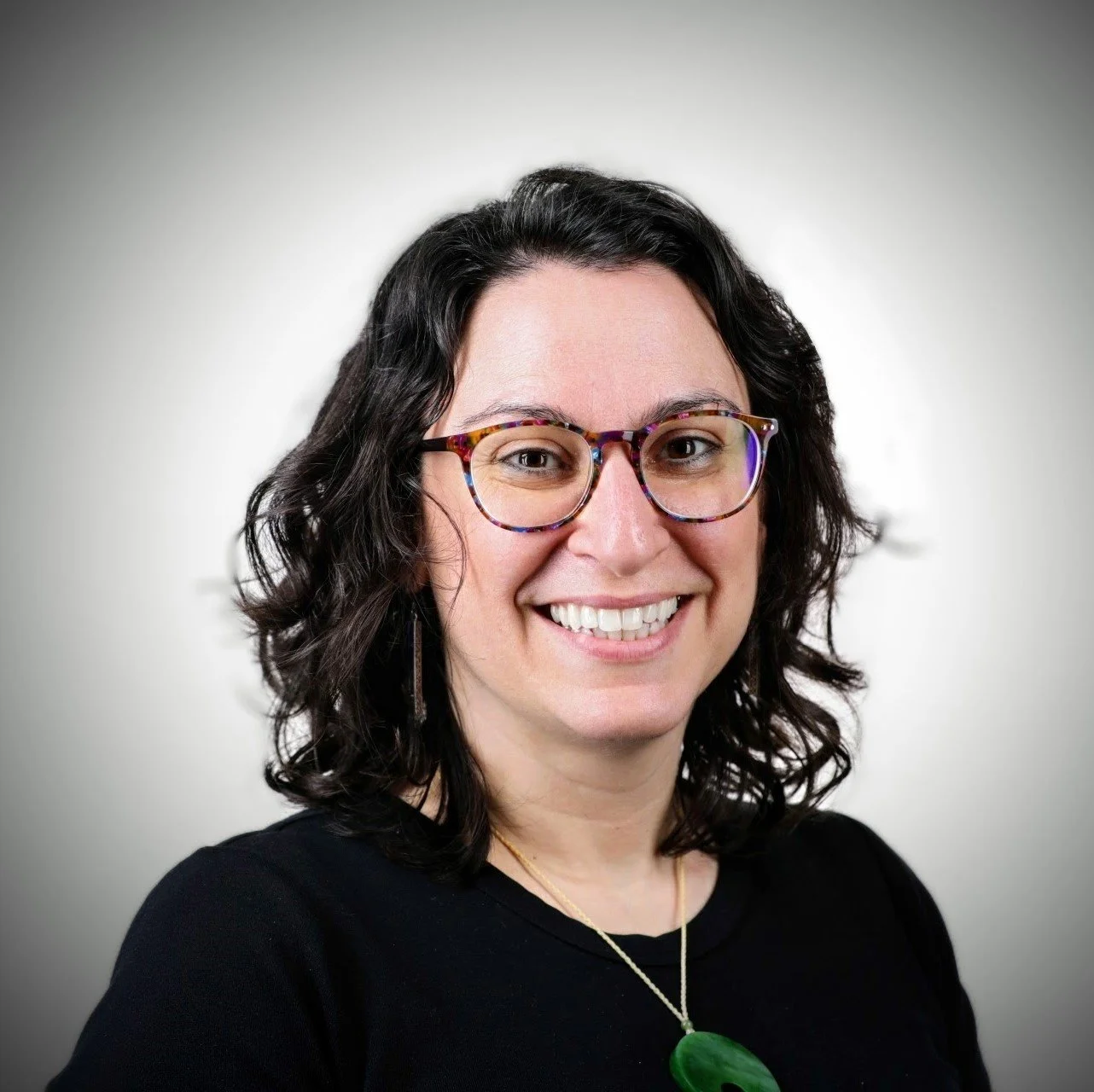
Executive Director, Biome
Ana Mandri is a conservation leader with over 20 years of experience in sustainability, community engagement, and conservation finance. She is the leader of Biome, Canada’s leading international conservation organization.
For 15 years, Ana led FONCET, pioneering conservation finance in Mexico’s most biodiverse region. She later founded Zamia Media, a Canadian social enterprise connecting over 18,000 nonprofit leaders worldwide in fundraising and storytelling. Originally from Mexico, she holds a Master’s in Biodiversity, Conservation, and Management from the University of Oxford and a Bachelor’s in Marketing from Tecnológico de Monterrey.
-
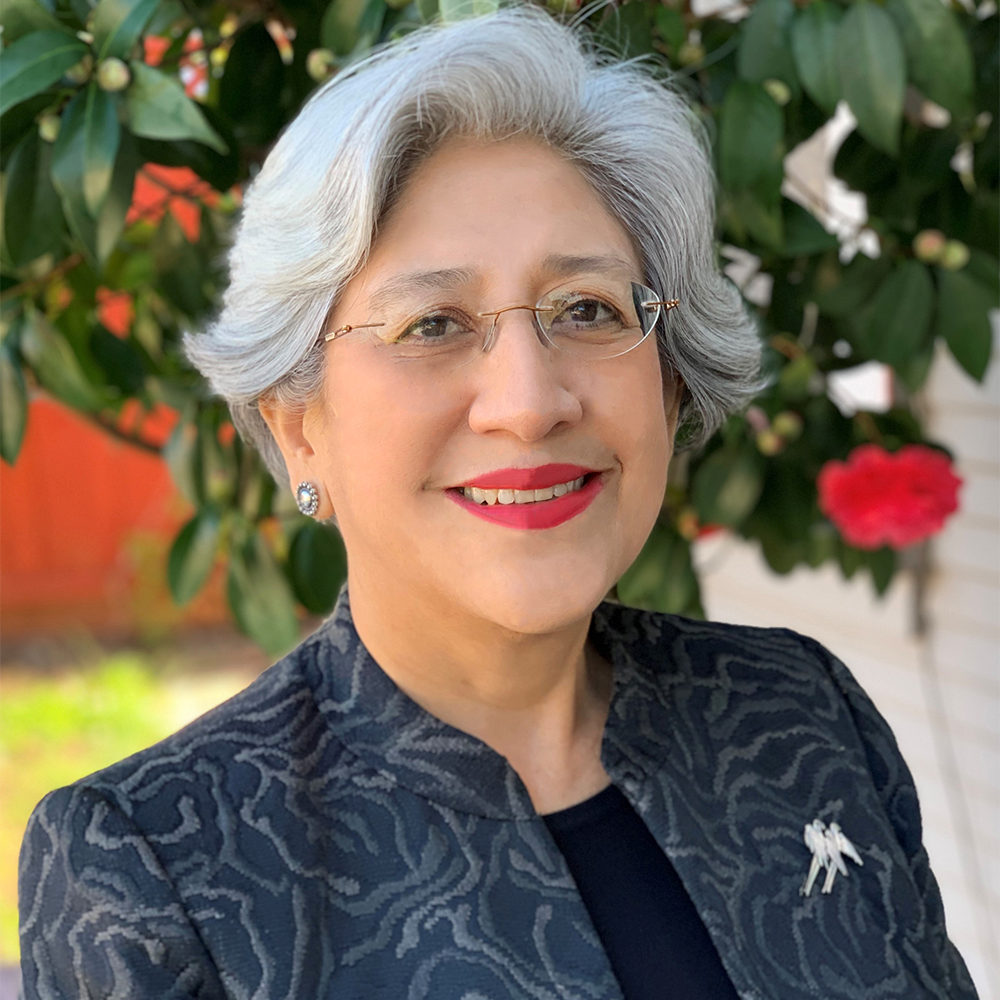
Global Director of the Food, Land & Water (FLW) Program at World Resources Institute
Crystal Davis leads the development and execution of strategies to foster transformative land use practices, addressing climate change, safeguarding nature, and promoting equitable development opportunities around the world. Prior to her current role, Crystal was instrumental in founding Global Forest Watch in 2014, and Land & Carbon Lab in 2021.
Before her time at World Resources Institute, Crystal honed her skills in environmental consulting in Half Moon Bay, California. She has also worked on strengthening forest governance in Brazil, Indonesia, and Cameroon as part of WRI's Institutions and Governance Program. Crystal holds a B.S. and M.S. in Earth Systems Science from Stanford University.
-
Program Director, Andes-Amazon Initiative, Gordon and Betty Moore Foundation
Dr. Chicchón leads the Andes-Amazon Initiative, which aims to secure the biodiversity and climatic function of the Amazon biome. Since the initiative began in 2001, it has helped conserve and improve management of over 170 million hectares in the Amazon, nearly one-third of the original forest cover. Avecita has over 30 years of experience in natural resource use, biodiversity conservation and sustainable development in Latin America and the Caribbean. Before coming to Moore, Avecita served as the executive director of the Latin America program at the Wildlife Conservation Society (WCS), where she led conservation programs in 15 countries
She currently serves on several committees and boards, including the Funders of the Amazon Basin, Strategic Steering Committee for the Andes Amazon Fund, the Amazon Biodiversity Center advisory board, and the program team for the Climate and Land Use Alliance. Avecita earned a Ph.D. in anthropology from the University of Florida. She has degrees in social sciences from the University of Cincinnati and from the Pontificia Universidad Católica del Perú. In 2004, she was awarded a Doctor Honoris Causa degree from the Universidad de la Amazonia Peruana, and in 2017, a Distinguished Alumni Award from the University of Florida.
-
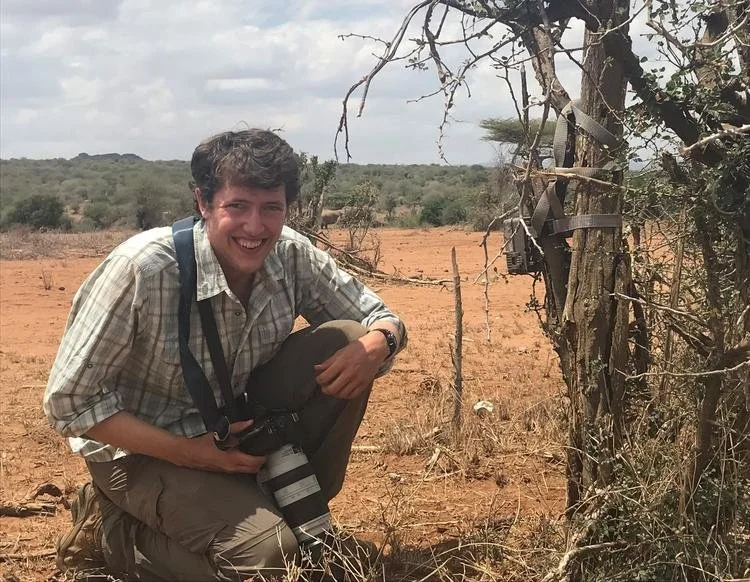
Researcher, Dale Fellowship, Princeton
Patrick Newcombe is a birder, wildlife photographer, and conservationist dedicated to understanding and protecting biodiversity --- especially the world's rarest species and most intact places. On Princeton's Dale Fellowship, he is studying efforts to stop extinctions of threatened, range-restricted birds. He graduated summa cum laude from Princeton University and he conducted his senior thesis research under Professor David S. Wilcove on how termite mounds drive landscape-scale patterns of savanna bird diversity at Gorongosa National Park.
For 15 years, Ana led FONCET, pioneering conservation finance in Mexico’s most biodiverse region. She later founded Zamia Media, a Canadian social enterprise connecting over 18,000 nonprofit leaders worldwide in fundraising and storytelling. Originally from Mexico, she holds a Master’s in Biodiversity, Conservation, and Management from the University of Oxford and a Bachelor’s in Marketing from Tecnológico de Monterrey.
Affiliate Field Partners
-
Communications Coordinator, Osa Conservation
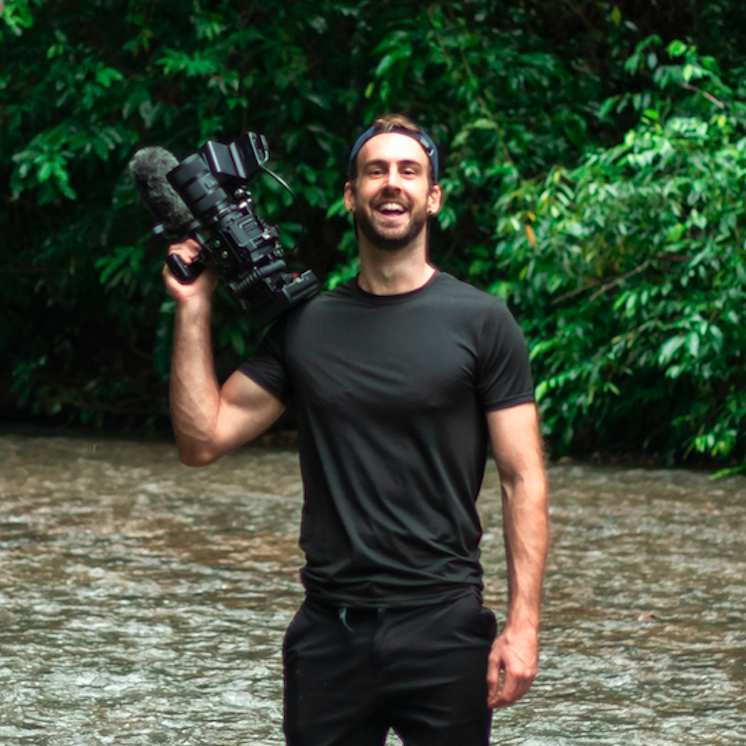
Ian Rock is a conservation film maker focused on telling stories of human-wildlife connections. With a background in marine and earth sciences, he uses a documentary storytelling to capture biodiversity in the face of climate change. Currently based in Costa Rica, Rock has lived and worked throughout the tropics.
-
Professor, Wake Forest University
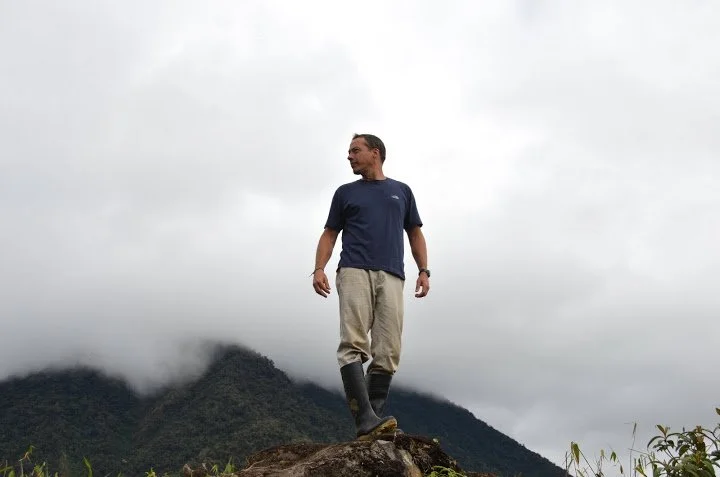
Dr. Miles Silman is a Professor of Biology and the Director of Center for Energy, Environment, and Sustainability at Wake Forest University. Silman earned his PhD in Zoology. His research focuses on community composition and dynamics of Andean and Amazonian tree communities to understand plant-climate relationships, with a particular emphasis in distributions along environmental gradients. Silman has 27 years of experience working the western Amazon and Andes.
-
Research Assistant Processor, Dartmouth College
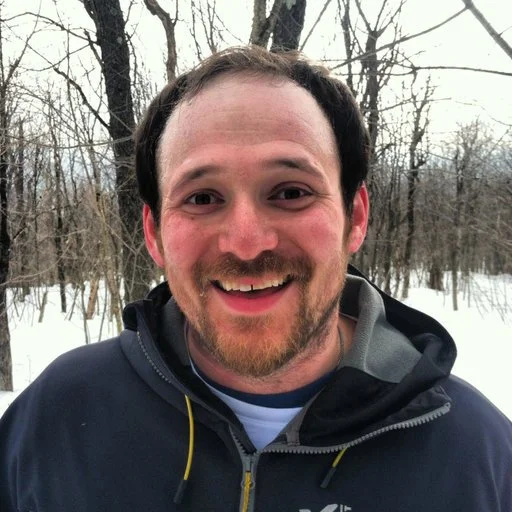
Dr. David Lutz is an environmental scientist and ecologist with a background in simulation modeling, remote sensing, and ecological economics. His research focuses on documenting and analyzing environmental change through the use of novel modern technological methods and modeling for adaptive management strategies. Lutz is the Primary Investigator of a NASA Interdisciplinary Science project that utilizes the historical satellite archive and three decades of citizen science observations to observe changes in water quality.


Climate Corridors is a collaborative initiative made possible by our partner network: